If you’re moving to the Triangle for an RTP job, one question usually rises to the top fast: should you live in Durham? For many buyers, the answer is yes, but the right fit depends on how you want your daily life to feel when you are not at work. Durham can offer a real city experience, established neighborhoods, and practical access to RTP, and this guide will help you sort out which tradeoffs make sense for you. Let’s dive in.
Why Durham Works for RTP
RTP is a major employment center with 55,000 employees, and its location near I-40, NC-54, and the Regional Transit Center gives commuters several ways to connect. Durham also links to RTP through NC 147, also known as the Durham Freeway, which the City describes as a high-speed connection from RTP to central Durham.
That matters if you want more than a short drive to work. Durham gives you options that feel different from a typical office-park suburb, from walkable downtown blocks to more residential south Durham areas that place you closer to the RTP corridor.
How the Durham-to-RTP Commute Functions
For most Durham residents commuting to RTP, the road network shapes the experience more than anything else. Official directions to the EPA campus in RTP send drivers south on NC 147, then west on Cornwallis and TW Alexander, which reflects the basic corridor many commuters use.
The challenge is not whether the route exists. It is that traffic can change the feel of the trip. The City’s Durham Freeway study says NC 147 remains a primary commuter corridor and carries between 44,000 and 87,000 vehicles per day, so your timing matters.
RTP itself sits next to I-40 and NC-54, which is why buyers often think of this as a neighborhood-choice question rather than a simple yes-or-no commute test. In other words, Durham can work well, but some parts of Durham work better than others depending on your office location and how you prefer to travel.
Transit Options from Durham to RTP
If you are hoping to reduce how often you drive, Durham gives you a usable transit framework. GoTriangle Route 700 runs between Durham Station and the Regional Transit Center every 30 minutes, and the scheduled trip from Durham Station to RTC is about 20 to 25 minutes.
For some commuters, that creates a strong car-light option, especially if your routine can revolve around downtown Durham and the RTC. GoTriangle also offers park-and-rides, vanpools, and ridematching, which can help if you are not within easy reach of a direct stop.
There is also a last-mile layer inside RTP. RTP Connect provides subsidized Lyft or Uber trips within the RTP zone when trips start or end at the RTC or Boxyard RTP, and it currently operates on weekdays from 6:30 a.m. to 10 p.m.
That said, transit is usually not a one-seat ride from every Durham neighborhood to every RTP employer. If your office is along NC-54, the setup is more transit-friendly because GoTriangle Route 800 directly serves Frontier RTP and employers along that corridor.
Best Durham Areas for RTP Access
The best Durham home base depends on whether you want your neighborhood to prioritize commute ease, city energy, or a middle ground. Here is how the main areas compare.
South Durham for Easier Drives
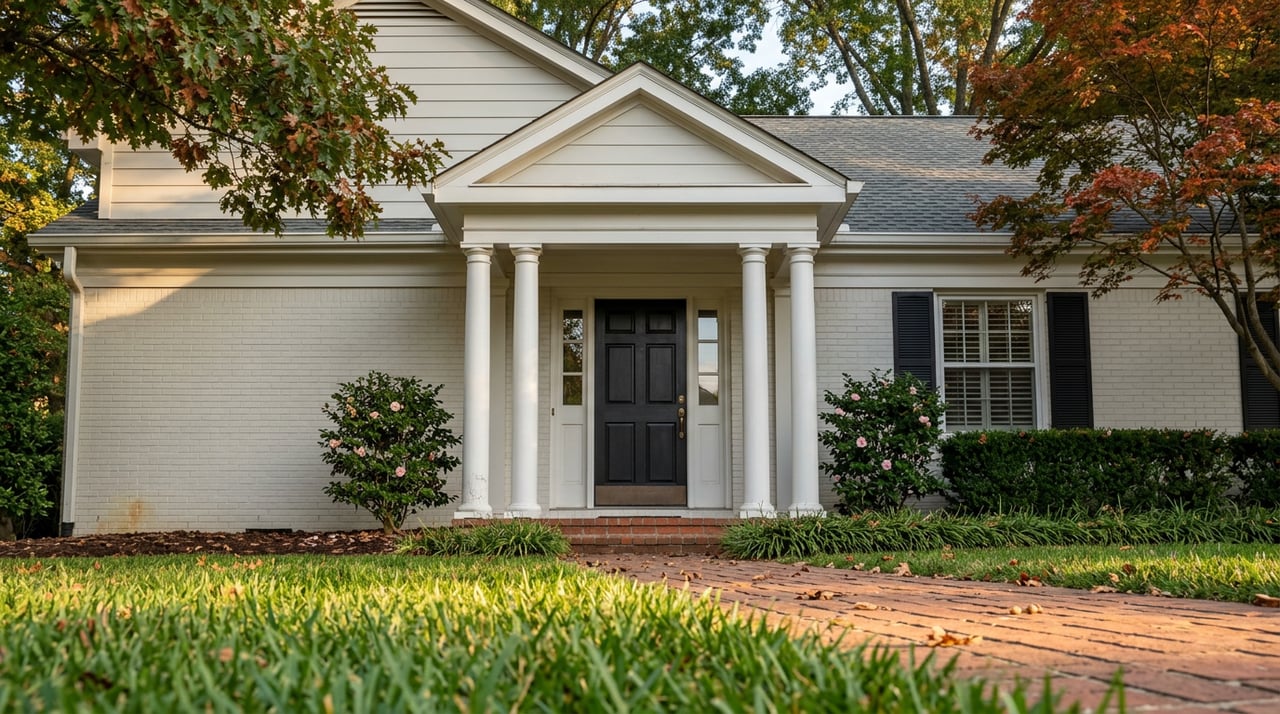
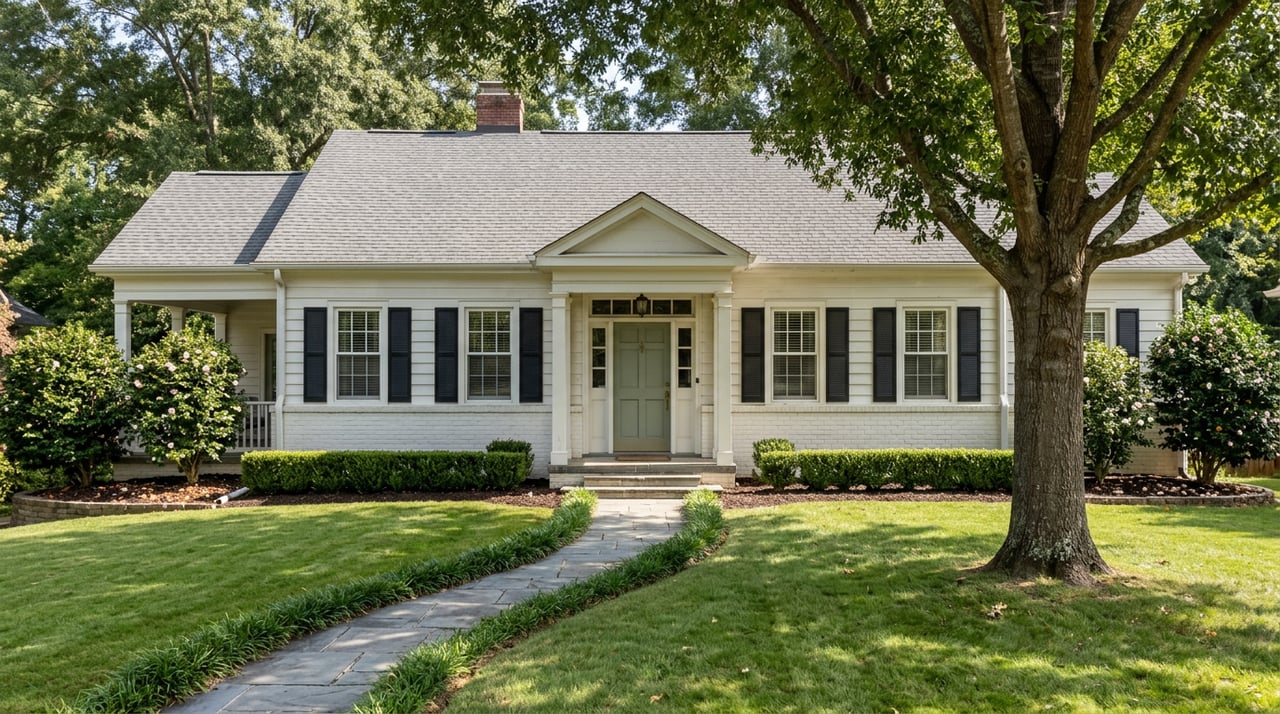
If commute convenience is your top priority, south Durham is usually the easiest place to start. Areas around Southpoint, Woodcroft, and Hope Valley sit closest to the RTP job corridor in practical terms.
Discover Durham describes Southpoint as being between Highway 54 and Fayetteville Road and Renaissance Parkway, and notes that it is one of Durham’s most active and populous neighborhoods. GoDurham’s service changes also restored Route 5 service to Renaissance Center at Southpoint, which reinforces south Durham’s connection to the broader RTP corridor.
In day-to-day life, this part of Durham tends to work well for buyers who expect to drive most days and want a more residential setting. If you want a smoother launch toward RTP and are comfortable with a more car-oriented routine, south Durham is often the most forgiving choice.
Downtown Durham for Urban Lifestyle
Downtown Durham is often the strongest fit if you want city life to lead the decision. The downtown district covers about one square mile with seven subdistricts, and the area includes major anchors such as Brightleaf Square, West Village, American Tobacco, DPAC, Durham Central Park, and the Durham Transportation Center.
That concentration of destinations gives downtown a very different feel from a suburban commute base. You may be able to walk, bike, or use local transit for more of your daily life outside work, which can be a major quality-of-life win if that matters to you.
The tradeoff is simple: downtown is not the shortest starting point to RTP. If you choose downtown, you are usually saying yes to more energy, more activity, and a somewhat longer trip to the office.
West Durham for a Middle Ground
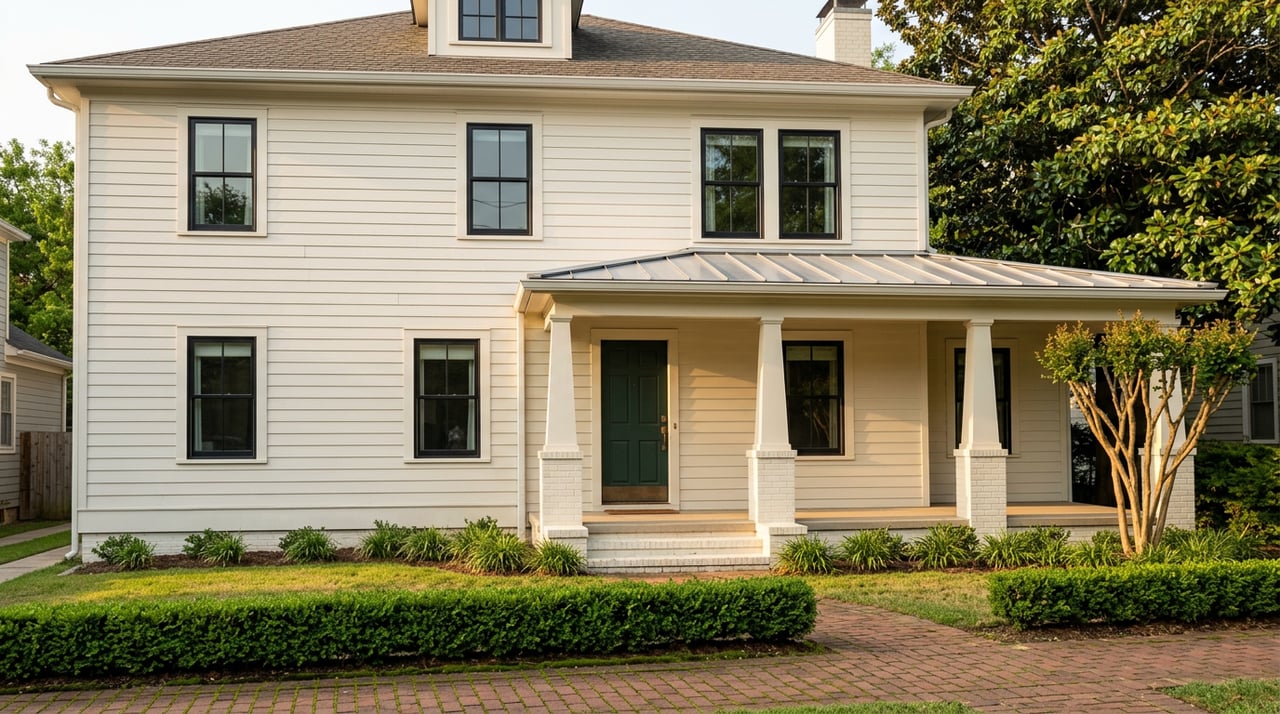
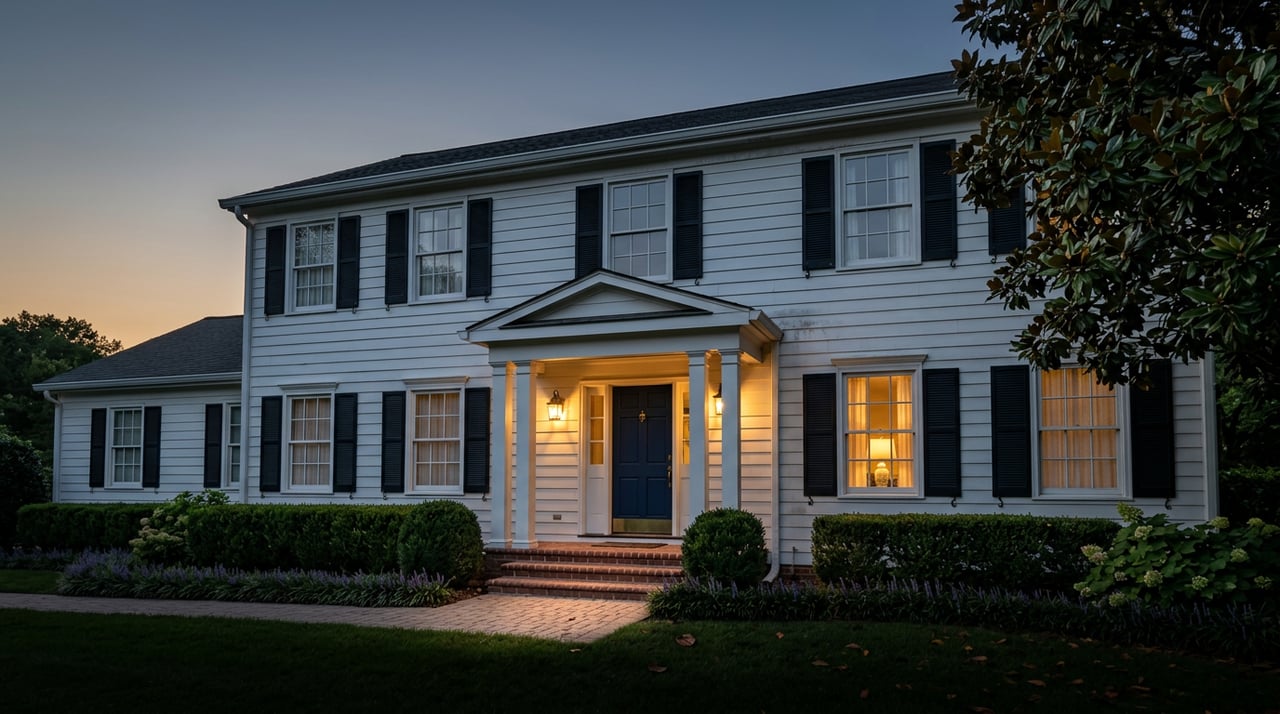
West End, Ninth Street, and Old West Durham often appeal to buyers who want established neighborhood identity and historic character. These areas sit near Duke and offer a strong sense of place, with destinations and street patterns that feel distinct from newer suburban development.
West End is described as one of Durham’s oldest and largest historically African American neighborhoods, while the Ninth Street district is known for its classic Duke college-town feel. Old West Durham also has a Neighborhood Protection Overlay intended to protect established neighborhood character.
For many RTP buyers, west Durham lands in the middle. You may give up some commute convenience compared with south Durham, but you gain charm, neighborhood texture, and proximity to some of Durham’s best-known in-town areas.
How to Choose the Right Durham Base
When buyers compare Durham neighborhoods for an RTP commute, three questions usually clarify the decision.
Do You Want Lifestyle or Commute to Win?
This is the biggest question. If you want the richest urban experience, downtown Durham is usually the front-runner. If you want easier RTP access, south Durham tends to make the most sense.
West Durham and Duke-adjacent neighborhoods can split the difference. They are often a better fit if you want personality and location balance, even if they do not give you the quickest trip.
Can You Live with a Car-Light Routine?
If your goal is to drive less, think in terms of transit anchors, not just neighborhoods. Durham Station and the Regional Transit Center are the key points in that system, and Route 700 creates a useful connection between them.
For many buyers, downtown Durham is the strongest base for this model because of its connection to Durham Station and its more walkable daily setup. If you expect to drive most days, south Durham is usually more practical.
How Much Commute Uncertainty Feels Acceptable?
The available public information gives a clear picture of the main corridors, but it does not provide one fixed door-to-door commute time for every neighborhood and every office. Traffic on NC 147 and I-40 is a major variable.
That means the smartest way to think about Durham is not as one commute answer. It is a set of neighborhood choices, each with a different balance of convenience, atmosphere, and flexibility.
A Simple Durham Commute Comparison
| Durham area | Best for | Commute feel to RTP | Lifestyle feel |
|---|---|---|---|
| South Durham | Buyers prioritizing easier access | Most direct overall | Residential, more car-oriented |
| Downtown Durham | Buyers prioritizing urban living | Longer but workable | Dense, active, walkable |
| West Durham | Buyers seeking balance and character | Middle-ground option | Established, historic, neighborhood-driven |
So, Is Durham the Right Home Base?
For many RTP buyers, Durham is a strong choice. It works especially well if you want your home base to offer more personality, more neighborhood variety, and more city character than a purely commute-driven suburb.
The key is to match the area to your real routine. If your week revolves around getting to RTP as simply as possible, start with south Durham. If you want a more urban lifestyle and can accept a longer trip, downtown may be worth it. If you want something in between, west Durham deserves a close look.
If you’re weighing Durham against other RTP-area options, Courtney Whalen can help you compare neighborhoods, narrow your search, and find a home that fits both your commute and your lifestyle.
FAQs
Is Durham a good place to live if you work in RTP?
- Yes. Durham can be a workable home base for RTP, especially if you match your neighborhood choice to your commute pattern and lifestyle priorities.
Which Durham area is best for an RTP commute?
- South Durham is generally the most commute-friendly part of Durham for RTP because it sits closest to the NC-54 and RTP corridor.
Can you commute from downtown Durham to RTP by transit?
- Yes. GoTriangle Route 700 connects Durham Station and the Regional Transit Center every 30 minutes, with a scheduled trip of about 20 to 25 minutes.
Is downtown Durham or south Durham better for RTP workers?
- Downtown Durham is better if you want an urban lifestyle and can accept a longer commute. South Durham is better if you want easier day-to-day access to RTP.
Are west Durham neighborhoods practical for an RTP commute?
- Yes, for many buyers. West Durham often offers a middle-ground option with strong neighborhood character, though it is usually less commute-convenient than south Durham.
Does RTP have transit connections once you arrive?
- Yes. The Regional Transit Center is a key hub, Route 800 serves parts of the NC-54 corridor, and RTP Connect helps with weekday last-mile trips within the RTP zone.