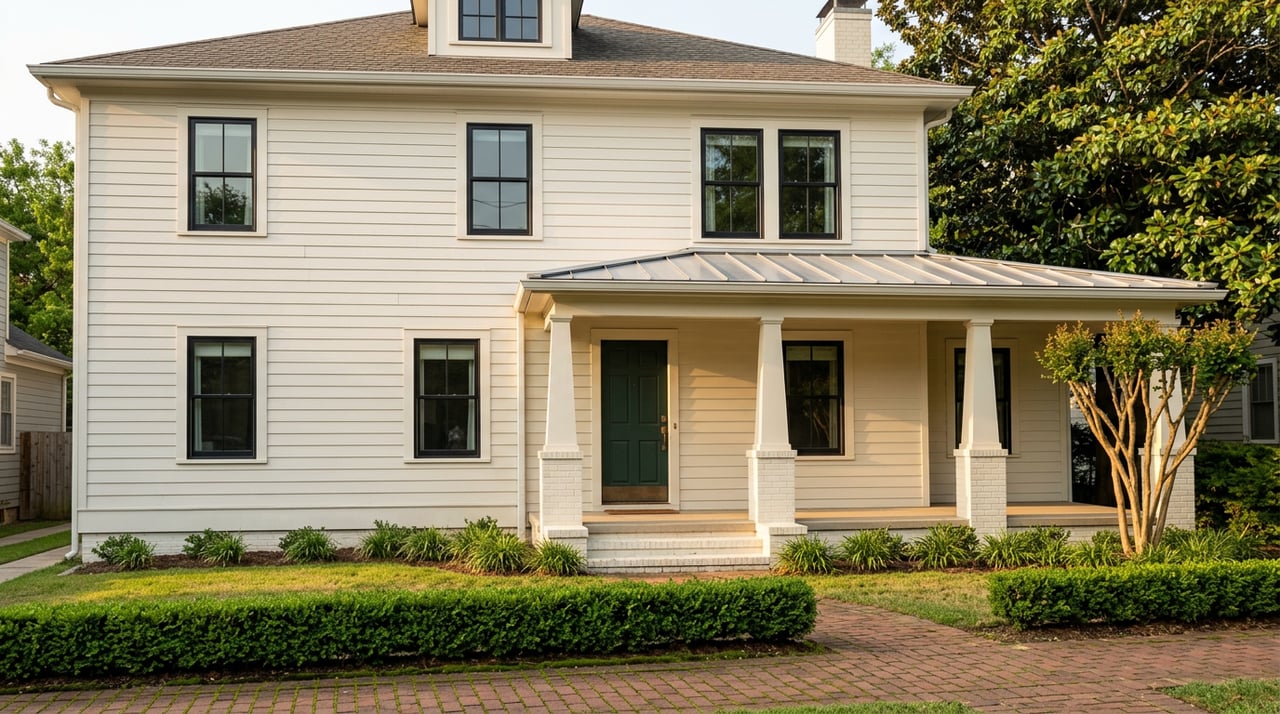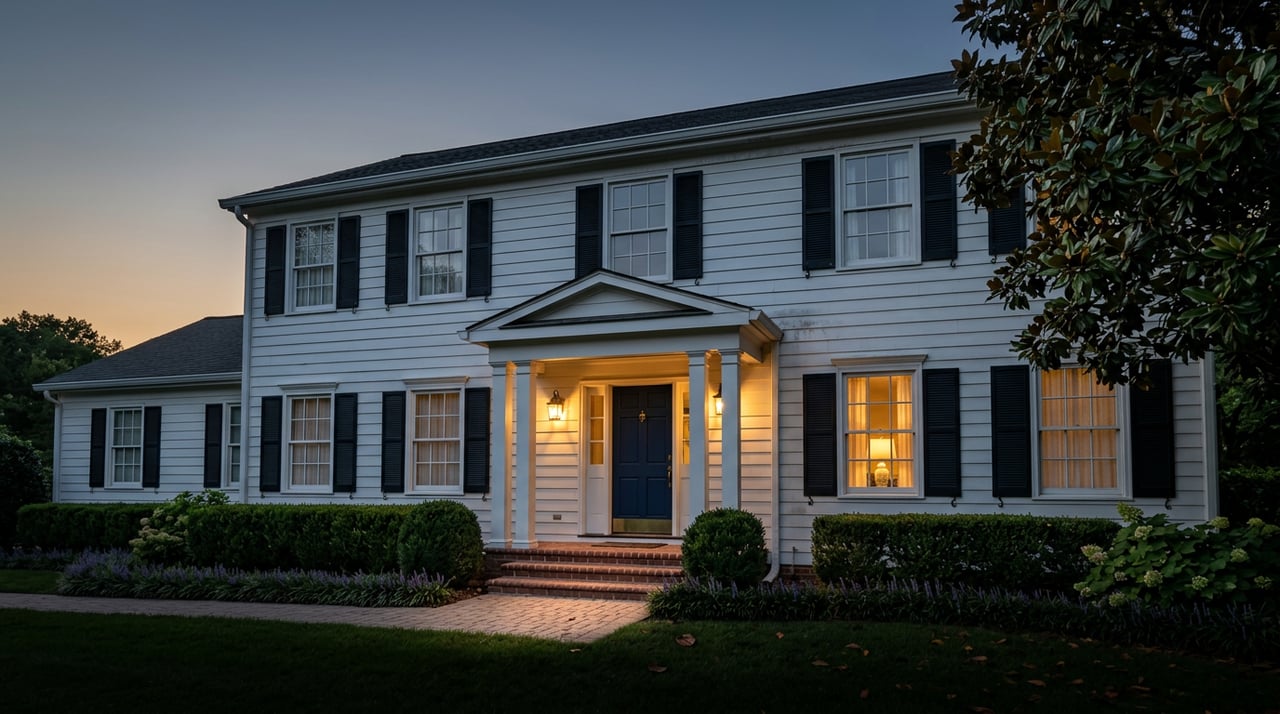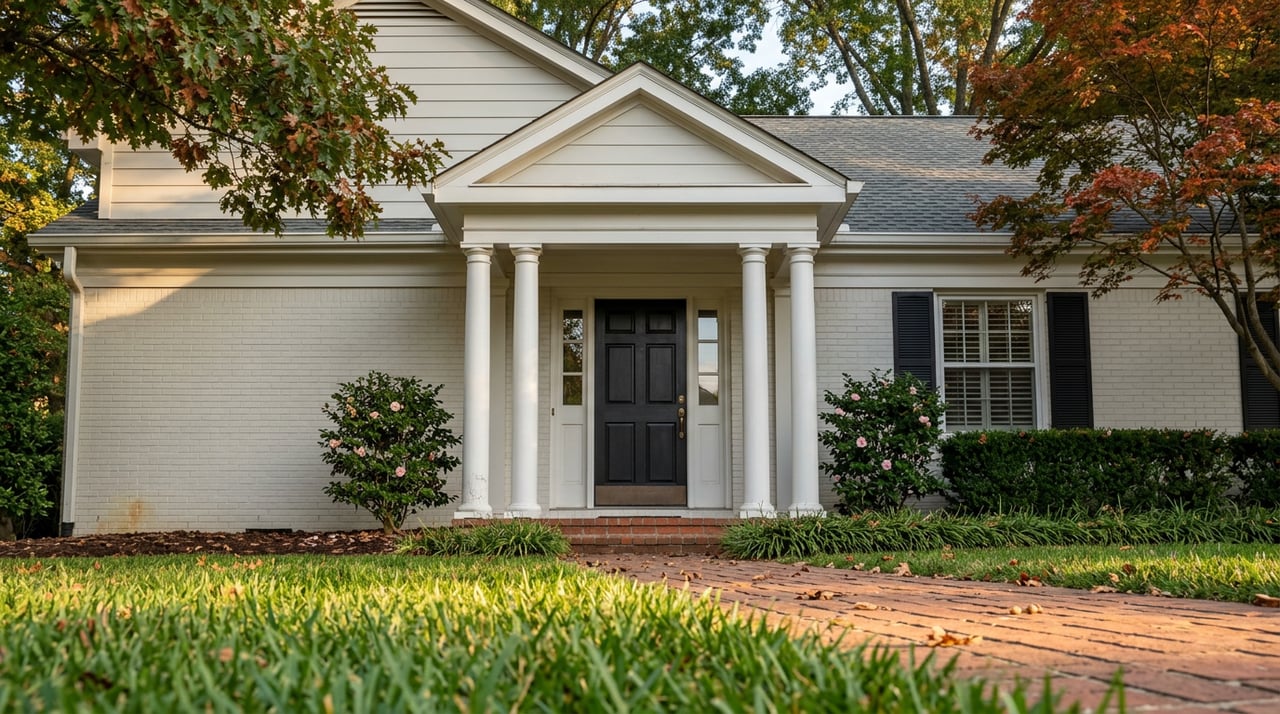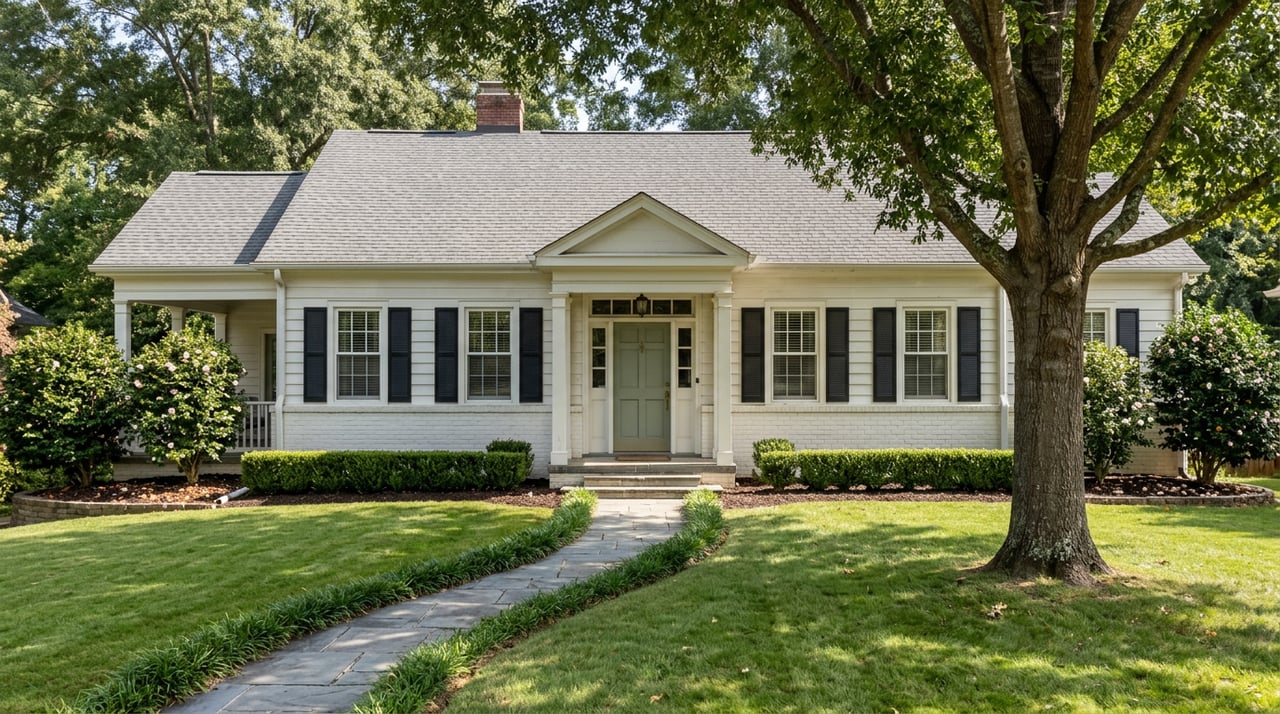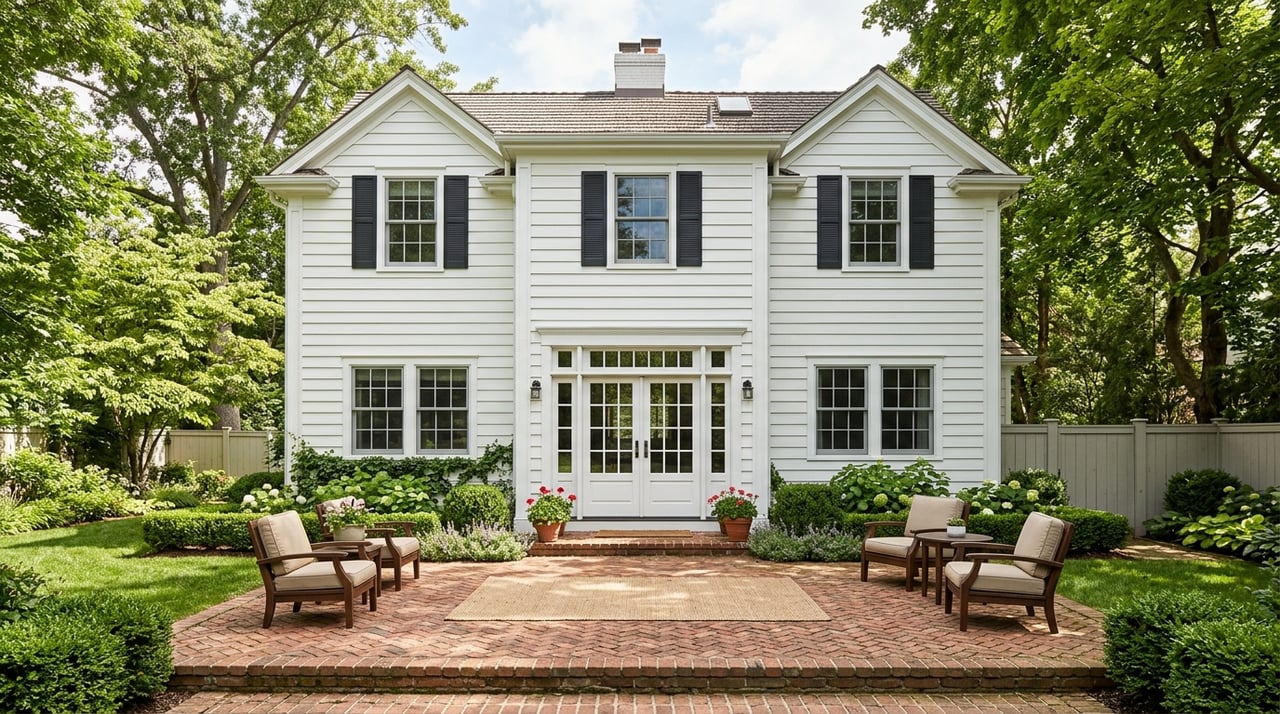
If you are deciding between North Raleigh and Cary, you are not choosing between a good option and a bad one. You are choosing between two strong Wake County markets that offer different lifestyles, price points, and daily routines. The right fit comes down to how you want to live, where you need to go, and what kind of home feels right for this stage of life. Let’s dive in.
North Raleigh vs. Cary at a Glance
North Raleigh and Cary both attract buyers who want access to the Raleigh area’s jobs, amenities, and long-term value. Still, they do not feel exactly the same day to day.
North Raleigh often appeals to buyers who want a Raleigh address, established neighborhoods, and a wider mix of home styles and price points. Cary often stands out for its higher concentration of detached homes, larger average home sizes, and strong access to west-side destinations like RTP, RDU, and I-540.
A quick market snapshot helps show the difference.
| Area | Average Home Value | Year-Over-Year Change | Typical Pending Timeline |
|---|---|---|---|
| North Raleigh | $494,586 | -0.4% | About 21 days |
| Cary | $614,634 | -1.8% | About 31 days |
| Raleigh citywide | $424,924 | -2.8% | About 42 days |
Based on current Zillow snapshots, Cary sits at a higher price point than North Raleigh. North Raleigh, however, remains a premium submarket within Raleigh and can offer more room to compare options across different budgets.
Home Prices and Value Differences
For many buyers, price is the first major filter. Cary’s average home value is about $614,634, while North Raleigh’s average home value is about $494,586.
That gap matters, especially if you are balancing monthly payment, space needs, and long-term plans. Cary’s higher entry point may make sense if its location, housing mix, and amenities line up closely with your goals. North Raleigh may feel like the better value if you want a premium area with more pricing variety.
Both markets also have a wide internal range. In North Raleigh, neighborhood-level values stretch from areas around the upper $400,000s to sections above $1 million, with some locations like Six Forks around $782,100 and Glenwood above $1.29 million.
Cary also spans a broad spectrum. Some neighborhoods are closer to the high $300,000s to low $500,000s, while areas like Preston and Preston Village rise much higher, reaching roughly $978,714 and $1.21 million.
Commute Patterns Matter More Than City Lines
One of the biggest surprises for buyers is that average commute times are very similar at the city and town level. Raleigh workers average 23.0 minutes to work, and Cary workers average 22.7 minutes.
That means your actual commute is usually more about your destination than the name of the community on your mailing address. If you are choosing between North Raleigh and Cary, think less about general reputation and more about your real weekly driving pattern.
When North Raleigh May Fit Better
North Raleigh tends to make sense if your routine centers on downtown Raleigh, Midtown, or other north-side destinations. Raleigh’s corridor planning identifies Six Forks Road as a major commuter route connecting I-440 and I-540 through central and north Raleigh, with access to established neighborhoods and shopping and mixed-use districts.
If your work, social life, or family schedule keeps pulling you toward the north side of Raleigh, North Raleigh may feel more convenient in everyday life. That directional fit can matter more than a few minutes on a general commute chart.
When Cary May Fit Better
Cary often fits buyers who need easier access to RTP, RDU, Morrisville, or west Cary job centers. Cary’s Carpenter area planning notes convenient access to Research Triangle Park, Raleigh-Durham International Airport, and Interstate 540.
That said, traffic patterns matter. NCDOT reports heavy commuter traffic along U.S. 64 in western Cary and Apex, with more than 56,000 vehicles per day at U.S. 1 and projected growth ahead. If Cary is on your shortlist, it helps to test drive the exact route during the times you would actually travel.
Housing Style and Neighborhood Feel
Your next neighborhood is about more than commute and price. It is also about what you want your home and surroundings to feel like each day.
North Raleigh Offers More Housing Variety
North Raleigh is generally more mixed and established. Raleigh’s housing guidance notes that detached homes, townhouses, and small apartments are all common, with small apartments especially common in older neighborhoods.
That mix can be helpful if you want more flexibility in home type, lot size, or budget. It also creates a broader range of neighborhood personalities, from more traditional residential pockets to corridors with easy retail and dining access.
Cary Leans More Single-Family
Cary’s housing stock is more heavily weighted toward detached homes. According to the town’s housing plan, detached homes made up nearly two-thirds of Cary’s housing stock in 2020, while apartments accounted for about 25% and attached single-family options were more limited.
Cary also tends to offer larger detached homes on average. The same housing plan says the median detached home is about 2,400 square feet, while attached single-family homes are closer to 1,200 square feet.
If you are focused on a detached home and want that style to dominate your search, Cary may offer a more consistent fit. If you want more choices across home type and neighborhood age, North Raleigh may give you more to work with.
Amenities and Everyday Lifestyle
Both areas offer strong amenities, but they show up in different ways.
Cary Highlights Greenways and Downtown Spaces
Cary puts a lot of emphasis on connected outdoor spaces and its walkable downtown core. The town reports more than 80 miles of greenways linking neighborhoods with parks, schools, and public facilities.
Downtown Cary Park, which opened in November 2023, adds a seven-acre civic space with performance areas, farmers market space, public art, botanical gardens, food and beverage facilities, a children’s nature play area, a dog area, and an elevated skywalk. If you want planned public spaces and an active town-center feel, Cary has a strong case.
North Raleigh Centers on Parks and Corridors
North Raleigh’s amenity pattern is more park- and corridor-based. Shelley Lake Park spans 144.8 acres and includes about 2 miles of paved trail along with the Sertoma Arts Center.
The Mine Creek Greenway Trail connects to Shelley Lake Park Loop Trail, Crabtree Creek Greenway, and several North Hills trailhead parking areas. Raleigh’s broader greenway system exceeds 100 miles, which gives North Raleigh buyers access to a large citywide trail network.
If your ideal weekend includes established parks, greenway access, and easy connections to North Hills or other north-side destinations, North Raleigh may feel like a natural fit.
Schools: Verify by Address
If schools are part of your planning process, the most important takeaway is simple: verify every address. Both North Raleigh and Cary are served by the Wake County Public School System, which assigns base schools by home address.
Transfers may be possible, but they are not guaranteed. That means you should not rely on neighborhood shorthand or general assumptions when narrowing your options.
For buyers comparing the two areas, this is one of the most important practical steps to take before making an offer:
- Confirm the base school assignment for the exact property address
- Review your commute from that address, not just the neighborhood name
- Compare the home type, age, and lot size against your priorities
- Visit the area at the times of day that matter most to you
Which Area Is Better for Long-Term Value?
Both North Raleigh and Cary are strong markets, but Cary currently carries the stronger pricing story. Cary’s housing plan notes that home values have been high and rising over the long term, with post-recession home values up 40% and fewer homes priced under $300,000.
Current snapshots also support Cary’s premium position. Cary’s average home value is higher than North Raleigh’s, and its median sale price is also higher at $600,000 versus $447,333 for North Raleigh.
That does not mean North Raleigh is a weaker choice. It means North Raleigh can be a compelling lower-cost premium alternative for buyers who want Raleigh access, established neighborhoods, and a strong range of options within the broader market.
How to Choose Between North Raleigh and Cary
If you are still torn, start with your real priorities instead of broad labels. The best choice is usually the one that supports your daily life with the least friction.
North Raleigh may be the better fit if you want:
- A Raleigh address
- More established neighborhoods
- A wider range of price points and home types
- Easier access to Midtown, downtown Raleigh, or north-side destinations
- Park and greenway access tied into Raleigh’s larger city network
Cary may be the better fit if you want:
- A more single-family-heavy housing mix
- Larger average detached home sizes
- Stronger access to RTP, RDU, Morrisville, or west Cary job centers
- A walkable downtown setting with newer civic amenities
- A market that currently commands a higher price point
In the end, this decision is rarely about which market is better overall. It is about which address, commute, and neighborhood pattern fit your life best right now.
If you are weighing North Raleigh against Cary and want clear, local guidance, Courtney Whalen can help you compare neighborhoods, narrow your search, and find the right fit with confidence.
FAQs
What is the main price difference between North Raleigh and Cary?
- Cary currently has a higher average home value at about $614,634, compared with about $494,586 in North Raleigh.
Which area is better for commuting to RTP or RDU?
- Cary often has the better directional fit for RTP, RDU, Morrisville, and west Cary destinations, though the best commute depends on the exact address and route.
Which area is better for commuting to downtown Raleigh?
- North Raleigh is usually the better directional fit for downtown Raleigh, Midtown, and other north-side employment and activity centers.
Are North Raleigh and Cary in the same school system?
- Yes. Both areas are served by Wake County Public School System, and base school assignments depend on the exact home address.
Does Cary have more detached homes than North Raleigh?
- Yes. Cary’s housing stock is more heavily weighted toward detached homes, while North Raleigh offers a broader mix of detached homes, townhomes, and smaller apartments.
Is North Raleigh or Cary better for outdoor amenities?
- Both offer strong outdoor access, but the experience differs. Cary is known for its greenways and downtown park spaces, while North Raleigh offers major parks like Shelley Lake and connections to Raleigh’s larger greenway network.