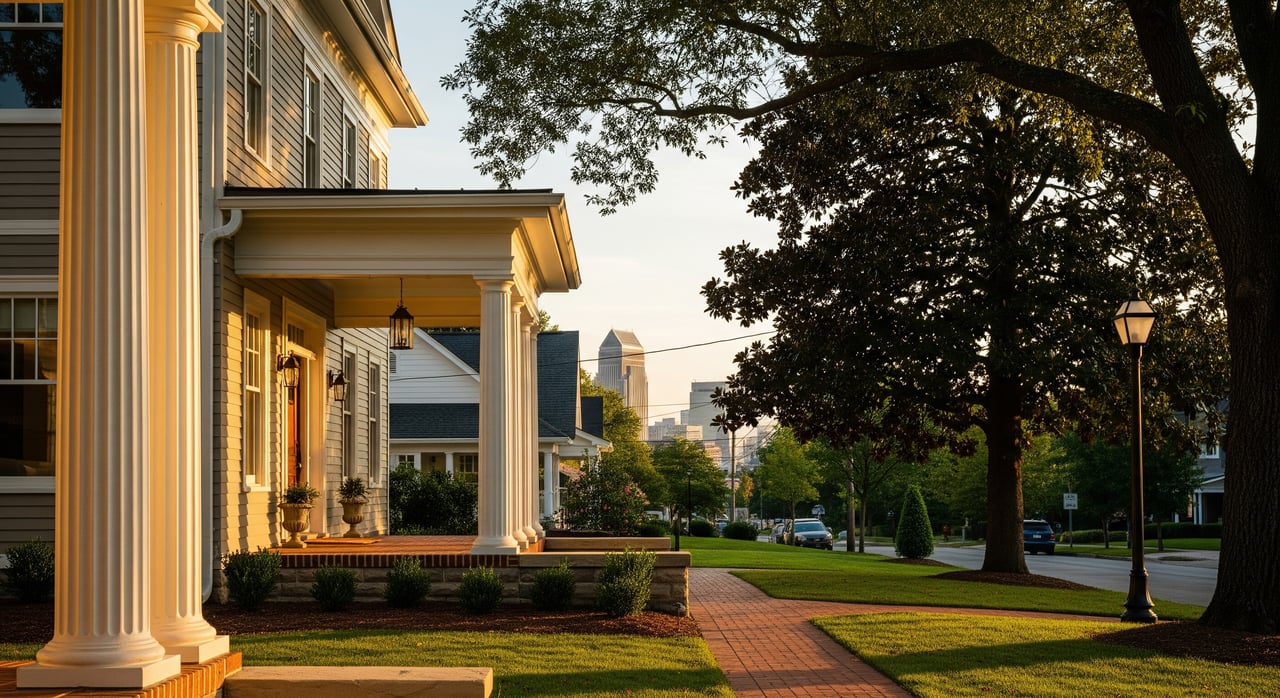
Moving to Durham for a new role in Research Triangle Park can feel exciting and overwhelming at the same time. With so many great neighborhoods and housing styles, the real challenge is choosing the right fit for your commute and lifestyle. In this guide, you’ll learn a simple way to narrow your options using commute needs, housing types, walkability, parks, and arts. You’ll also get a printable checklist and a realistic relocation timeline so you can move with confidence. Let’s dive in.
How to choose your Durham neighborhood
Start with a clear plan. Define your must-haves, then map those needs to areas that match. You will weigh five core factors: commute and transportation, housing style and stock, walkability and daily services, parks and outdoor access, and arts and culture. Use these to build a focused shortlist for site visits and final decisions.
Commute first: Durham to RTP
Your daily route shapes daily life. Durham commutes are driven by access to regional roads like I‑40, I‑85, US‑70, and NC‑147 (Durham Freeway). Some RTP commuters also use GoDurham and GoTriangle buses, employer shuttles, or the Amtrak station for intercity travel. Many still drive, especially for reverse commutes or off-peak shifts.
- Map your exact work location and test drive times at your real commute hours. Midday checks are not accurate.
- If you want transit, review routes and transfers during your schedule. Plan first and last mile.
- Consider parking at work and at home. Factor in permit costs, garages, and on-street rules.
- If you have hybrid or flexible hours, you may choose more walkable neighborhoods and accept a slightly longer drive on office days.
Practical takeaway: If you want the shortest car times to central RTP, look at areas with direct access to I‑40 and southern corridors. If you prefer walkable, arts-oriented living near downtown, expect some tradeoff in commute time to certain RTP job sites.
Match housing style to area
Durham offers a wide range of homes. Knowing where styles cluster speeds up your search.
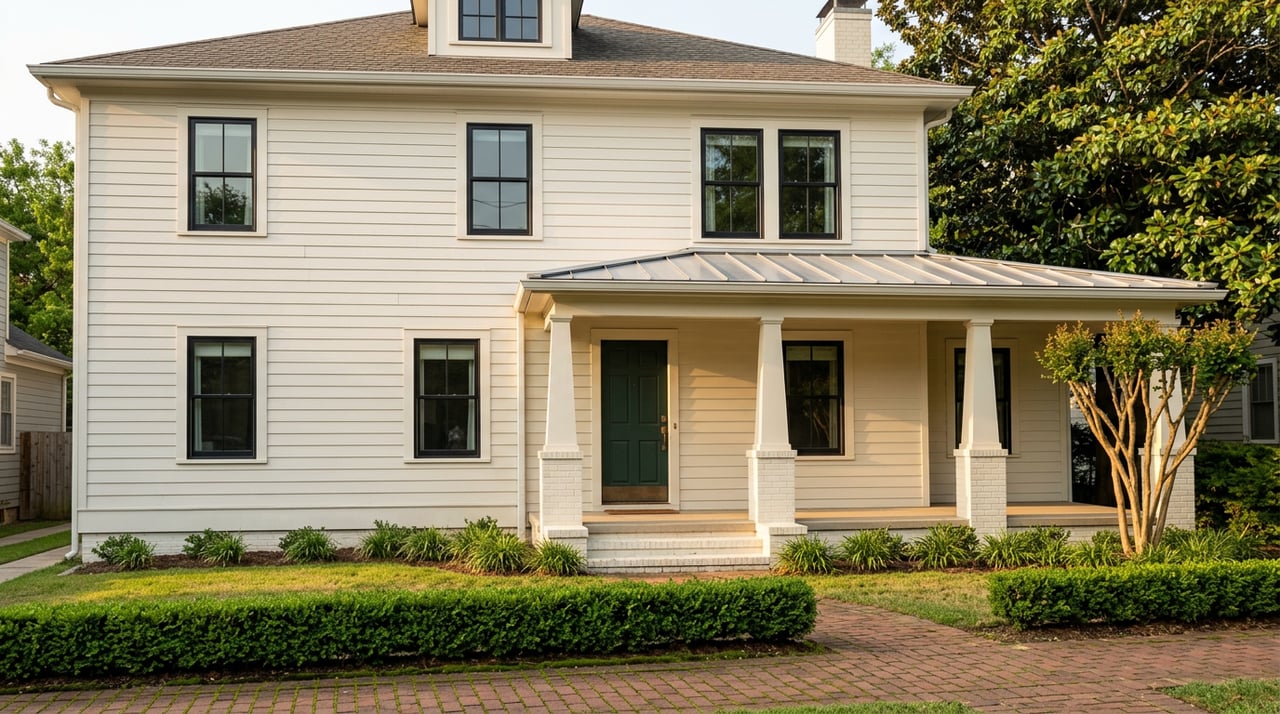
- Historic single-family homes, including Victorian, Queen Anne, and Craftsman bungalows, are common in older neighborhoods near Duke University and central Durham. Expect mature trees and smaller lots.
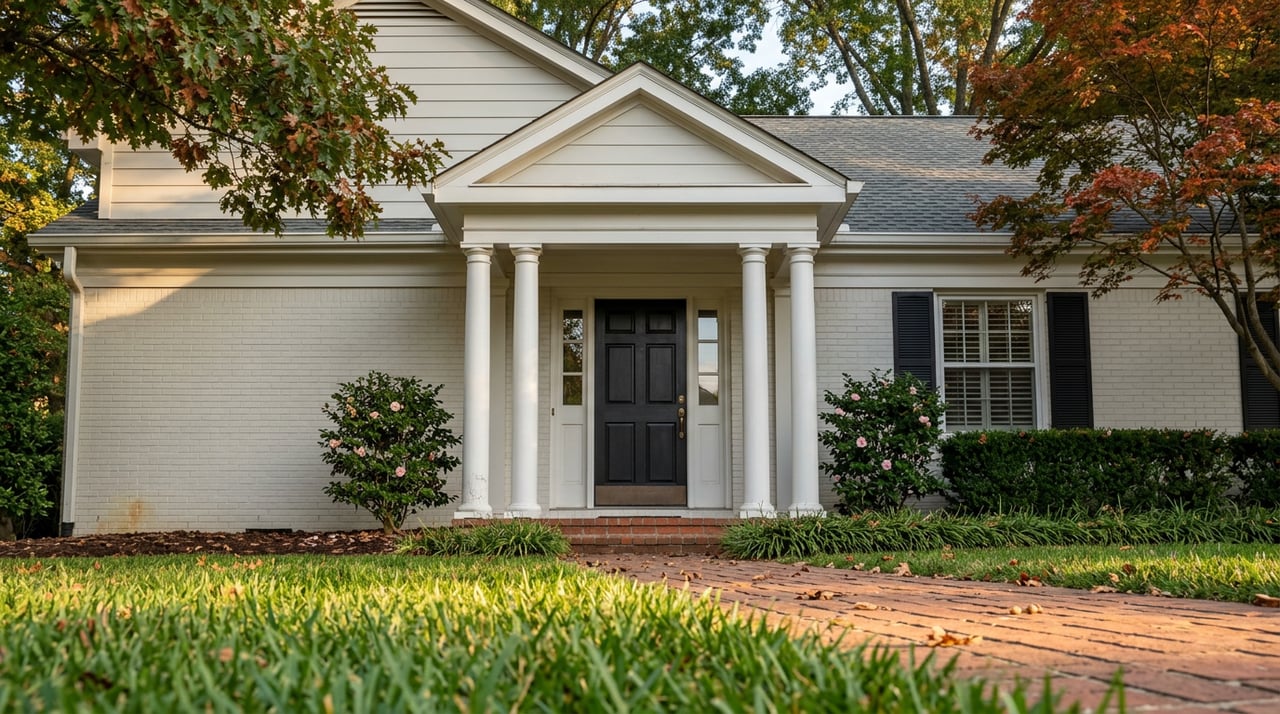
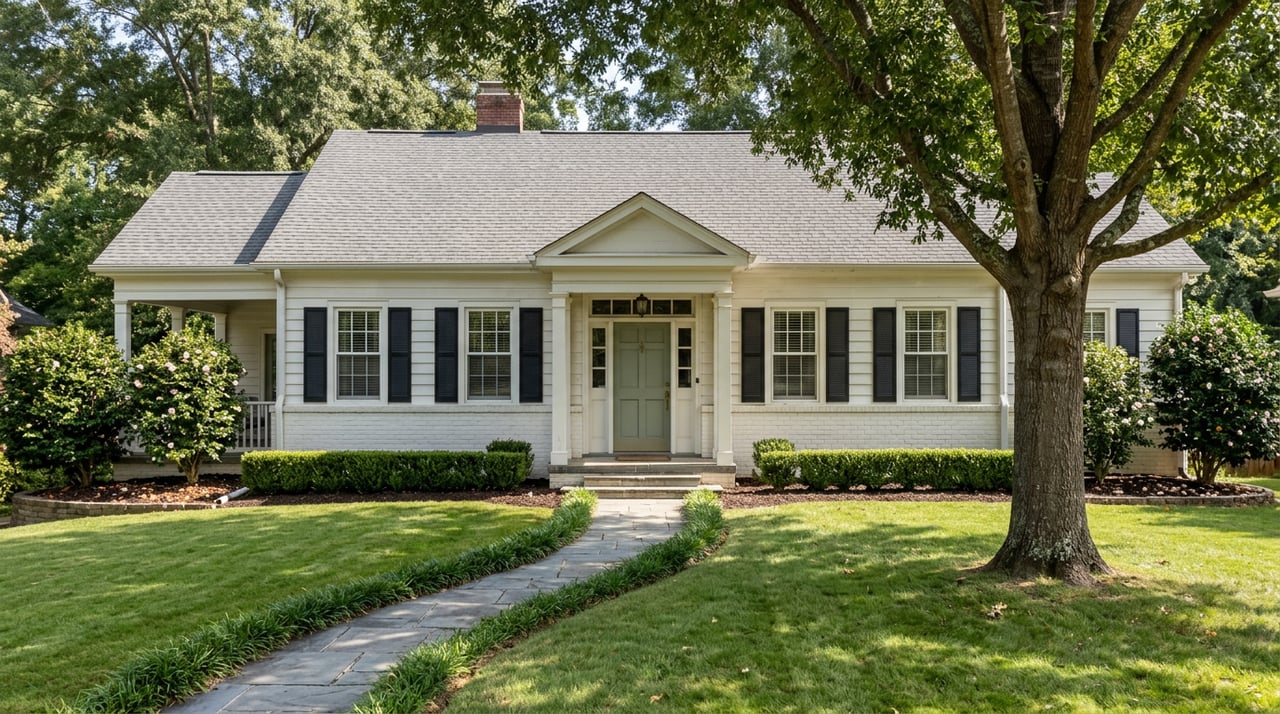
- Early to mid-20th-century brick and ranch homes appear across established neighborhoods and often include larger lots and mid-century character.
- Duplexes, triplexes, and carriage houses tend to cluster around older, denser parts of the city and can suit buyers who want a smaller footprint or rental income potential.
- New construction townhomes and subdivisions are concentrated in South Durham, especially around the Southpoint corridor and routes to RTP. These often include attached garages and HOA amenities.
- Downtown condos and loft conversions are prominent in the American Tobacco and Brightleaf Square districts. They are lower maintenance and typically very walkable.
If you want historic character and walkability, focus near central Durham. If you prefer newer construction with garages and easy highway access, target South Durham and the Southpoint area. For lower maintenance or condo living, explore downtown and nearby historic districts.
Check walkability and daily needs
Walkability is more than a score. It is about everyday convenience. Look for a mix of groceries, pharmacies, coffee, and transit stops within a 10 to 15 minute walk. Check sidewalk quality, lighting, crossings, and the feel of routes at the times you will actually use them.
- Central and downtown areas generally have the highest walkability.
- Suburban areas can be car dependent. Some have neighborhood retail centers, but sidewalks and pedestrian routes vary.
- If you plan to pair walking with short bike or transit trips, verify nearby bus stops and greenway access.
Pro tip: Walk your typical route to the grocery or coffee shop at the time you would go. Note safety, lighting, and street activity to confirm real-world convenience.
Parks and greenways nearby
Durham’s parks and trails can define your lifestyle rhythm. If you want daily walks, dog-friendly greens, or a running loop, choose an area with a neighborhood park or direct greenway access. For weekend nature time, proximity to larger preserves is a plus.
- Eno River State Park and West Point on the Eno offer regional riverfront trails and paddling.
- Sarah P. Duke Gardens provides formal gardens and a quiet retreat near Duke University.
- Durham Central Park and the Durham Bulls Athletic Park area anchor central Durham events and gatherings.
- Ellerbe Creek and neighborhood greenways create off-road connections across the city.
Match your daily outdoor habits to nearby amenities. If you plan frequent hikes or paddling, look for easy access to Eno River. If your focus is a quick evening walk, prioritize a neighborhood park within 10 minutes.
Arts, culture, and nightlife
If evening plans are part of your routine, proximity matters. Downtown and the American Tobacco area are hubs for venues, restaurants, and events.
- Durham Performing Arts Center (DPAC) hosts regional tours and large productions.
- Carolina Theatre of Durham offers independent films, concerts, and community events.
- Durham Arts Council provides exhibitions, classes, and programming.
- American Tobacco Historic District and Brightleaf Square feature restaurants and frequent events.
- University venues like Duke’s museum spaces add to the arts mix.
Living in or near downtown shortens post-event travel and supports a park-once lifestyle. If you prefer quieter evenings, consider neighborhoods just outside the core. They often balance residential calm with quick access to events.
Neighborhood examples to start your shortlist
Use these neutral examples to sketch your fit. They are starting points, not rankings.
Downtown / American Tobacco / Brightleaf Square
- Condos and lofts with dense retail and restaurants. Great for walkability, nightlife, and minimal-car living. Commute is feasible by car to many RTP sites, with some transit options depending on schedule.
Trinity Park / Old West Durham / Watts‑Hillandale
- Historic homes with tree-lined streets near Duke and Duke Gardens. Good if you want character, local parks, and walkable neighborhood retail. Commute times vary by RTP site and hour.
Forest Hills / Duke Park / Morehead Hill
- Established single-family areas with early 20th-century and mid-century homes. Strong residential feel while still near central amenities. Commute depends on freeway access from your specific location.
North Durham / Fayetteville Street corridor
- A mix of older homes and light redevelopment with growing retail options. Offers variety and more direct access to northern travel corridors like I‑85 and US‑70.
South Durham / Southpoint / Fayetteville Road corridor
- Newer subdivisions and townhomes with big-box retail and office clusters. Good for newer construction, garages, and quick access to I‑40 and many RTP job sites.
Areas adjacent to RTP
- Modern subdivisions and apartments near the park boundary or neighboring towns. These can be useful if your top priority is the shortest car commute to your employer.
Timeline and logistics for RTP relocators
Set a realistic schedule. If you are buying, plan for 60 to 120 days from initial search to closing. If you are renting, 30 to 60 days is common once you are organized. Short-term rentals or extended-stay hotels near RTP or central Durham can bridge the gap while you scout.
Before you commit, conduct at least one commute test during your actual work hours. If schools or daycare matter, review enrollment timelines and requirements with Durham Public Schools or your chosen providers. Confirm utilities and internet options for each neighborhood. In central or historic areas, check curb parking rules, permit programs, and capacity if you have multiple vehicles.
Your step-by-step shortlist process
Follow this simple flow to get from options to decision.
- Define priorities and tradeoffs
- Rank commute time, housing style, walkability, parks, and arts. Note up to three acceptable tradeoffs, such as smaller yard for walkability.
- Map and test the commute
- Use live drive times at your work hours for each candidate area. If transit is in play, test routes and timing door to door.
- Align housing type to subareas
- Use clusters as your guide. Historic character near central Durham, newer townhomes and subdivisions in South Durham, and condos or lofts in downtown.
- Build a shortlist of 3 to 5 neighborhoods
- Include at least one stretch option. Capture why each area made the list.
- Plan site visits with a checklist
- Walk a typical grocery or coffee route. Visit during evening hours if nightlife is important. Check parking and greenway access.
- Decide with real-world data
- Compare commute logs, neighborhood walks, and housing options. Choose the best overall fit rather than a perfect score in one category.
Printable neighborhood checklist
- Define commute priority:
- Target maximum drive time to RTP during peak hours: ______ minutes
- Will you rely on public transit/shuttle? Yes / No
- Required parking: garage / driveway / street / permitted
- Housing style and form:
- Preferred housing type: single-family / townhouse / condo / duplex / loft
- Must-have features: yard, number of bedrooms, dedicated office, garage
- Acceptable tradeoffs (list 1–3): e.g., smaller yard for walkability
- Walkability and daily needs:
- Grocery options within 10–15 min walk? Yes / No
- Coffee/restaurant options within 10–15 min walk? Yes / No
- Daycare/school within X minutes? ______
- Parks and outdoor access:
- Neighborhood park within 10 minutes? Yes / No
- Proximity to greenway/river trail: walking / short drive / not important
- Arts and culture:
- Need regular access to live music/theater? Yes / No
- Prefer neighborhoods with frequent weekend events? Yes / No
- Timing and logistics:
- Target move date: ______
- Buying or renting? Buy / Rent
- Do a commute test during your work hours? Schedule on: ______
- Temporary housing arranged? Yes / No
- Utilities and services checks before final decision:
- Internet provider options (speed/availability): ______
- Trash/recycling schedule & fees: ______
- HOA rules/fees (if applicable): ______
- Final visit checklist for each neighborhood on shortlist:
- Drive commute at target time — note actual time: ______
- Walk typical grocery/coffee route — note safety/sidewalks: ______
- Visit evening entertainment area (if applicable) — noise level: ______
- Check parking at property/time: ______
- Confirm school/daycare tour availability: ______
Next steps
Need help narrowing neighborhoods based on commute, housing style, and local lifestyle? Schedule a relocation consultation to build a short list that fits your priorities.
If you are ready to take the next step, partner with a local advisor who knows RTP moves and Durham neighborhoods. Reach out to Courtney Whalen to plan your shortlist, coordinate tours, and access curated and early opportunities that fit your timeline.
FAQs
How far is Durham from RTP for daily commutes?
- Travel time depends on the specific RTP employer and your commute hours. Live drive-time checks during peak periods are most accurate. Many people see 15 to 45 minutes depending on neighborhood and time of day.
Is downtown Durham walkable for daily needs?
- Yes. The downtown, American Tobacco, and Brightleaf areas are among the most walkable parts of the city, with restaurants, shops, and venues within easy walking distance.
Which Durham areas suit single-family yards and parks?
- Established residential neighborhoods away from the core, such as Forest Hills, the Duke Park vicinity, and select North Durham areas, tend to offer larger lots and nearby parks.
Can I rely on public transit to reach RTP job sites?
- Transit options exist via local and regional providers, and some employers run shuttles. Effectiveness depends on your job site and schedule. Many commuters still drive, so test routes during your work hours.
What housing types work best for remote or hybrid workers?
- Remote and hybrid workers often prefer homes with a dedicated office, nearby cafes and parks for daytime breaks, and quieter streets. That often points to established residential neighborhoods near amenities rather than dense downtown condos.