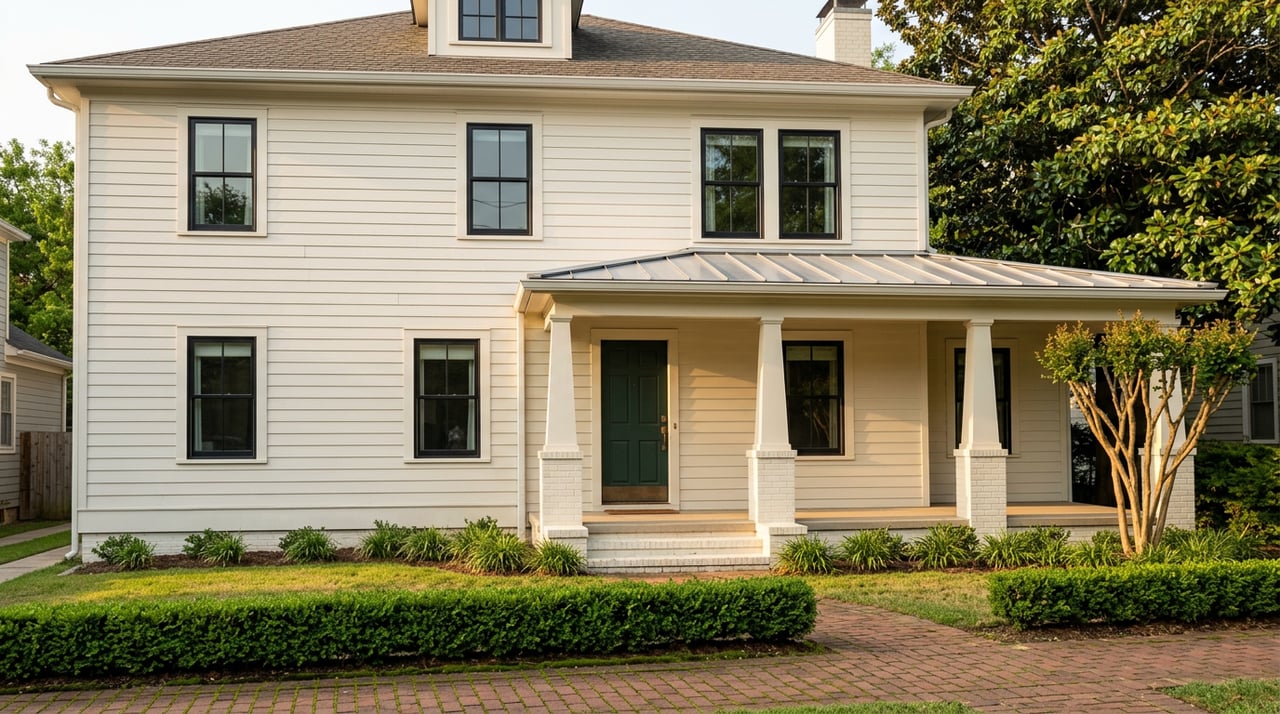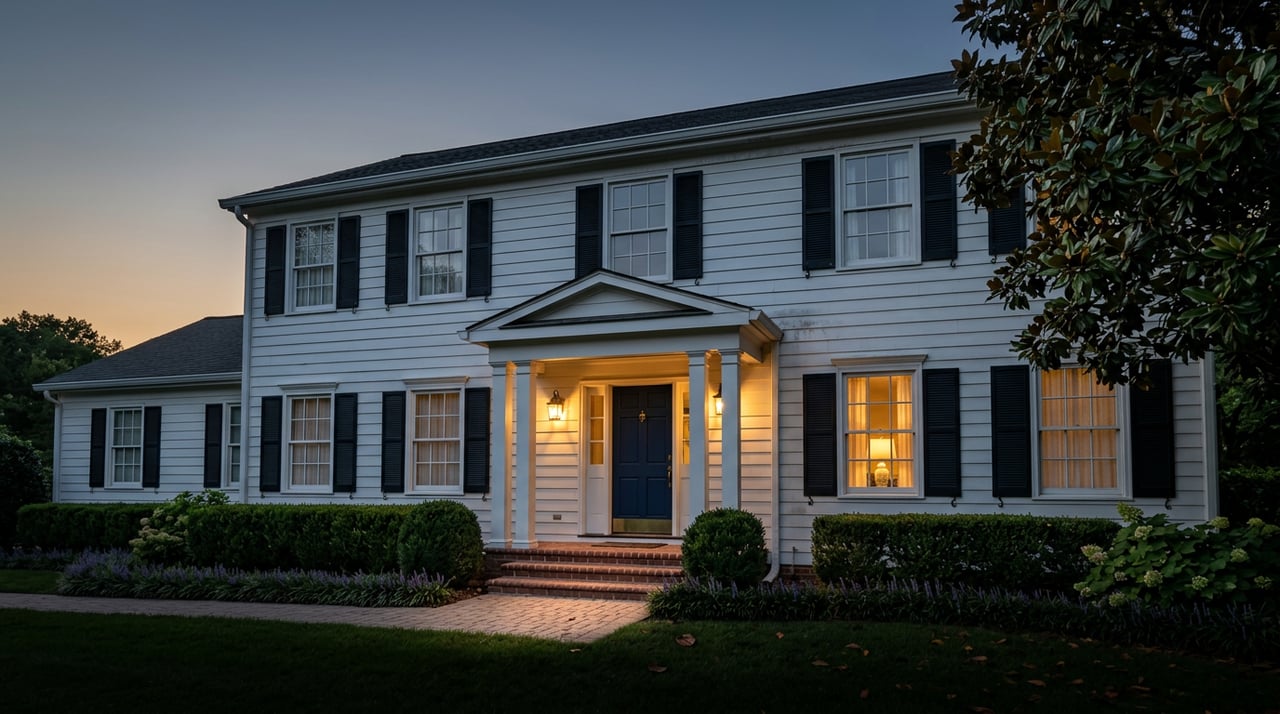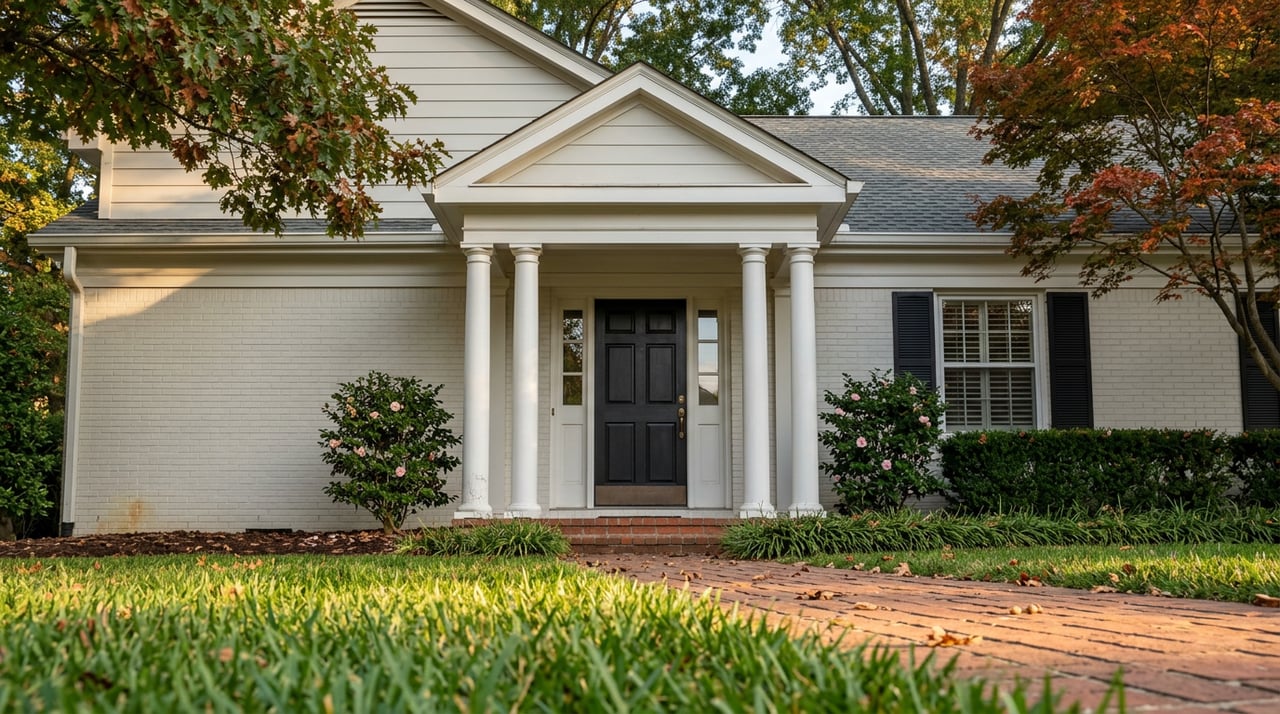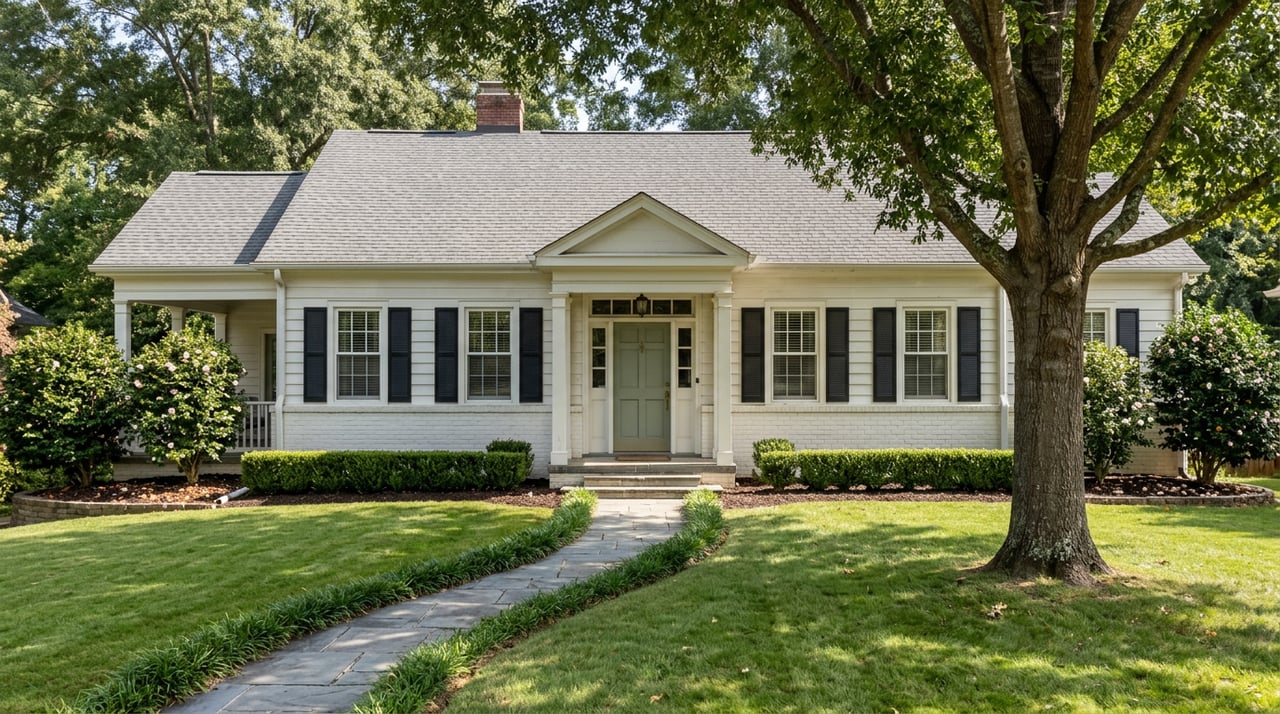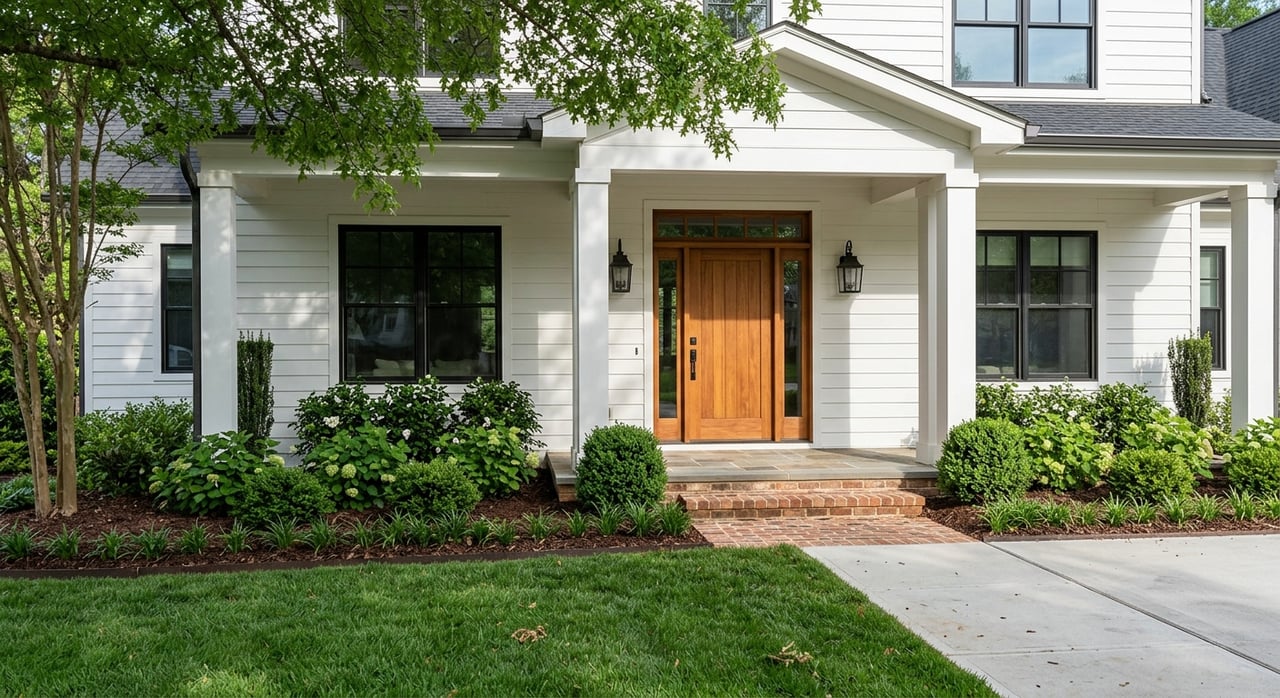
Selling a luxury home in North Raleigh is rarely about putting a sign in the yard and waiting for the best offer. In a market where homes are still moving, but buyers are paying close attention to condition, pricing, and overall presentation, the details matter more than ever. If you want to protect your value and create a smoother path from prep to closing, a thoughtful plan can make all the difference. Let’s dive in.
Understand the North Raleigh market
Luxury sellers often assume a higher price point gives them more room for error, but local data suggests the opposite. In March 2026, North Raleigh had a median sale price of $451,000, homes averaged about 40 days on market, and the area saw roughly one offer on average, according to North Raleigh housing market data. In nearby North Hills, homes sold at about a 97.9% sale-to-list ratio, which points to a market that still rewards disciplined pricing and strong presentation.
That matters because your likely buyer is not shopping casually. Raleigh and Wake County continue to attract well-qualified households, with Wake County reporting a median household income of $101,763 and Raleigh’s population reaching 499,825 in 2024, according to U.S. Census QuickFacts. Buyers are drawn by the area’s jobs, education, healthcare, outdoor access, and overall quality of life, which means they often arrive informed and ready to compare options carefully.
Know what luxury buyers want
When you sell in North Raleigh, it helps to focus less on hype and more on what buyers actually value. The RRAR Raleigh buyer and seller profile shows the median buyer age was 51 and the median buyer income was $128,800. It also found that neighborhood factors, convenience, commute considerations, shopping access, schools, and heating and cooling costs all influenced decision-making.
For a luxury listing, that usually means buyers are paying attention to how the home lives day to day. They want a property that feels well maintained, efficient, easy to enjoy, and worth the asking price. They also want a clear process, especially since the same RRAR report found many buyers felt finding the right property was the hardest part of the transaction.
Start with a strategic prep plan
Before your home hits the market, the goal is simple: remove friction. Buyers at the upper end of the market tend to notice deferred maintenance quickly, and they are often less willing to compromise on condition than in past years. The NAR 2025 Remodeling Impact Report says sellers are most often advised to paint the entire home, paint individual rooms, and address roofing before listing.
That does not mean every luxury seller needs a major renovation. It does mean visible wear, dated finishes, and unresolved repair items can work against you. A polished pre-listing plan should prioritize the updates buyers notice first and question most.
Fix what buyers will flag
In many luxury homes, the biggest value leaks are not dramatic. They are the smaller signs that routine upkeep may have been deferred.
Focus first on:
- Interior and exterior paint where wear is visible
- Roofing concerns or missing repairs
- HVAC issues or service gaps
- Flooring that looks worn or inconsistent
- Outdated lighting or hardware in key spaces
- Landscaping cleanup and curb appeal improvements
The same NAR report also noted strong buyer interest in kitchen upgrades, bathroom renovations, and new roofing. If your home has one or two clearly dated areas, a targeted improvement may have a stronger payoff than spreading your budget across too many minor projects.
Stage the rooms that matter most
Staging remains one of the clearest ways to improve how buyers experience a listing. According to the NAR 2025 Profile of Home Staging coverage, 29% of sellers’ agents said staging increased the dollar value offered by 1% to 10%, 49% said it reduced time on market, and 83% of buyers’ agents said staging helped buyers visualize the home.
For luxury properties, the most important rooms to stage are often the living room, primary bedroom, and kitchen. Those spaces shape the emotional first impression and help buyers picture how the home supports both everyday living and entertaining. Clean lines, balanced furnishings, and a calm, elevated look tend to photograph well and show well in person.
Consider energy-conscious updates
Efficiency is not just a practical concern. It can also support your home’s marketability. The NAR sustainability report found rising client interest in energy efficiency, with windows, doors, and siding among the most important green features.
If your home has updated windows, newer doors, improved insulation, or other efficiency-minded improvements, those details can support your marketing story. Buyers also care about commute time, highway access, and proximity to places they visit often, so presentation should reflect both the home itself and how it fits into daily life.
Use a realistic prep timeline
In North Raleigh, a luxury home often benefits from a multi-week prep window before launch. That is not a fixed rule, but it is a reasonable approach given the local market pace and the amount of coordination that often goes into a high-end listing. Rushing to market can lead to avoidable compromises in repairs, staging, photography, or pricing strategy.
A strong prep period may include contractor work, cleaning, storage, staging, landscaping, and professional media. It also gives you time to review disclosures, gather documents, and plan a launch that feels intentional instead of reactive.
Explore concierge support if needed
If you want to complete improvements without paying all costs upfront, Compass Concierge may be worth considering. Compass states that Concierge can front services such as staging, flooring, painting, landscaping, HVAC work, roof repair, moving and storage, and kitchen or bath improvements. The balance is generally due when the home sells, the listing ends, or after 12 months, though terms and any fees or interest can vary by market.
For many move-up sellers, that flexibility can make it easier to complete the right work before listing. Instead of choosing between speed and presentation, you may be able to invest in both. In a market where buyers are less willing to overlook condition, that can be a meaningful advantage.
Launch with a pricing and marketing plan
A luxury launch should do more than announce that your home is available. It should introduce the property in a way that builds confidence, protects value, and creates early interest. That is especially important in a market where public price reductions or extended days on market can change buyer perception.
Use a phased launch
According to Compass’s selling strategy, the company’s 3-Phased Marketing Strategy begins with Private Exclusive, then Coming Soon, then a broader public launch. Compass says this phased approach can help test pricing, gather feedback, and build anticipation before the home accumulates public days on market.
That can be especially useful for luxury sellers who value privacy or want to refine positioning before a full debut. Compass Private Exclusives are shared across the Compass network, which Compass says includes 340,000 agents and their serious buyers. In the right situation, that early exposure can create momentum while keeping your launch controlled and discreet.
Price with discipline
Luxury pricing is part art and part strategy. In a market where buyers are paying close attention, overpricing can narrow your audience quickly. The local numbers from North Raleigh and North Hills suggest that even strong homes benefit from getting the price and presentation right from the start.
A disciplined price does not mean leaving money on the table. It means positioning your home where qualified buyers will engage, tour, and compete. When pricing and condition align, your launch has a better chance of feeling fresh, credible, and compelling.
Tell a polished story
Luxury buyers respond to more than square footage and finishes. They respond to a home that feels cohesive, well cared for, and easy to understand. That is where professional photography, strong listing copy, and a clear narrative matter.
Your marketing should highlight what is true and useful: layout, updates, outdoor spaces, storage, privacy, convenience, and features that support daily comfort. In North Raleigh, practical details often matter as much as visual appeal, so a polished story should feel refined but grounded.
Prepare for disclosure and due diligence
A smooth closing often begins before your home goes live. In North Carolina, sellers of one- to four-unit residential property are generally required to provide the Residential Property and Owners’ Association Disclosure Statement before an offer is made, along with a mineral and oil and gas rights disclosure under the North Carolina Residential Property Disclosure Act. The revised disclosure form effective July 1, 2024 includes more detailed flooding questions and owners’ association or covenant disclosures when applicable.
That makes early preparation essential. If your home is in an HOA, has known repair history, or has had water intrusion, drainage concerns, or insurance claims, it is wise to gather records early and discuss them before launch.
Surface material facts early
The NC Real Estate Commission bulletin on material facts explains that North Carolina brokers have a duty to discover and disclose material facts in a timely manner. For sellers, that supports a proactive approach. It is much better to identify known issues before inspections than to have them interrupt negotiations later.
If your home was built before 1978, federal law also requires lead-based paint disclosure and delivery of the EPA pamphlet before contract. These details may feel administrative, but they are part of a well-run listing process and can reduce stress once offers arrive.
Keep the contract-to-close process organized
Even after you accept an offer, the work is not over. Inspection findings, repair requests, appraisal questions, title work, and closing logistics can all affect the path forward. In the RRAR survey, 14% of buyers said paperwork was one of the hardest parts of the process, and 88% of Raleigh sellers said their agent provided a broad range of services and managed most aspects of the sale.
That speaks to what sellers value locally: steady communication, strong coordination, and a lower-friction experience. For a luxury sale, that often means managing vendors, tracking deadlines, communicating clearly with all parties, and staying ahead of issues before they become delays.
Why process matters in North Raleigh
North Raleigh continues to attract buyers for practical, long-term reasons, not just market momentum. People move here for work, lifestyle, convenience, healthcare access, and connection to the broader Wake County region. When your listing reflects that reality through thoughtful prep, disciplined pricing, and polished marketing, it is easier for buyers to see both the home’s value and its fit.
Selling well at the luxury level is rarely about one big move. It is the result of many smart choices made in the right order. If you are thinking about selling in North Raleigh and want a clear, concierge-level plan from prep to close, Courtney Whalen can help you map out the right next steps.
FAQs
What should luxury sellers in North Raleigh fix before listing?
- Luxury sellers in North Raleigh should usually start with visible maintenance items such as paint, roofing concerns, HVAC issues, worn flooring, lighting updates, and landscaping, since buyers are less willing to overlook condition.
How important is staging for a luxury home sale in North Raleigh?
- Staging is very important because it can help buyers visualize the home, support stronger offers, and reduce time on market, especially in key spaces like the living room, primary bedroom, and kitchen.
Can Compass Concierge help with pre-listing improvements in Raleigh?
- Yes, Compass says Concierge can front certain services like staging, painting, flooring, landscaping, HVAC work, roof repair, and some kitchen or bath improvements, with repayment generally due later under program terms.
What disclosures are required when selling a home in North Carolina?
- North Carolina generally requires sellers of one- to four-unit residential property to provide the Residential Property and Owners’ Association Disclosure Statement and a mineral and oil and gas rights disclosure before an offer is made, with additional lead-based paint disclosure required for eligible pre-1978 homes.
What is the best way to launch a luxury listing in North Raleigh?
- A strong luxury launch usually combines disciplined pricing, prep work, staging, professional photography, and a phased marketing approach that may include private exposure before the full public launch.