Moving to Raleigh

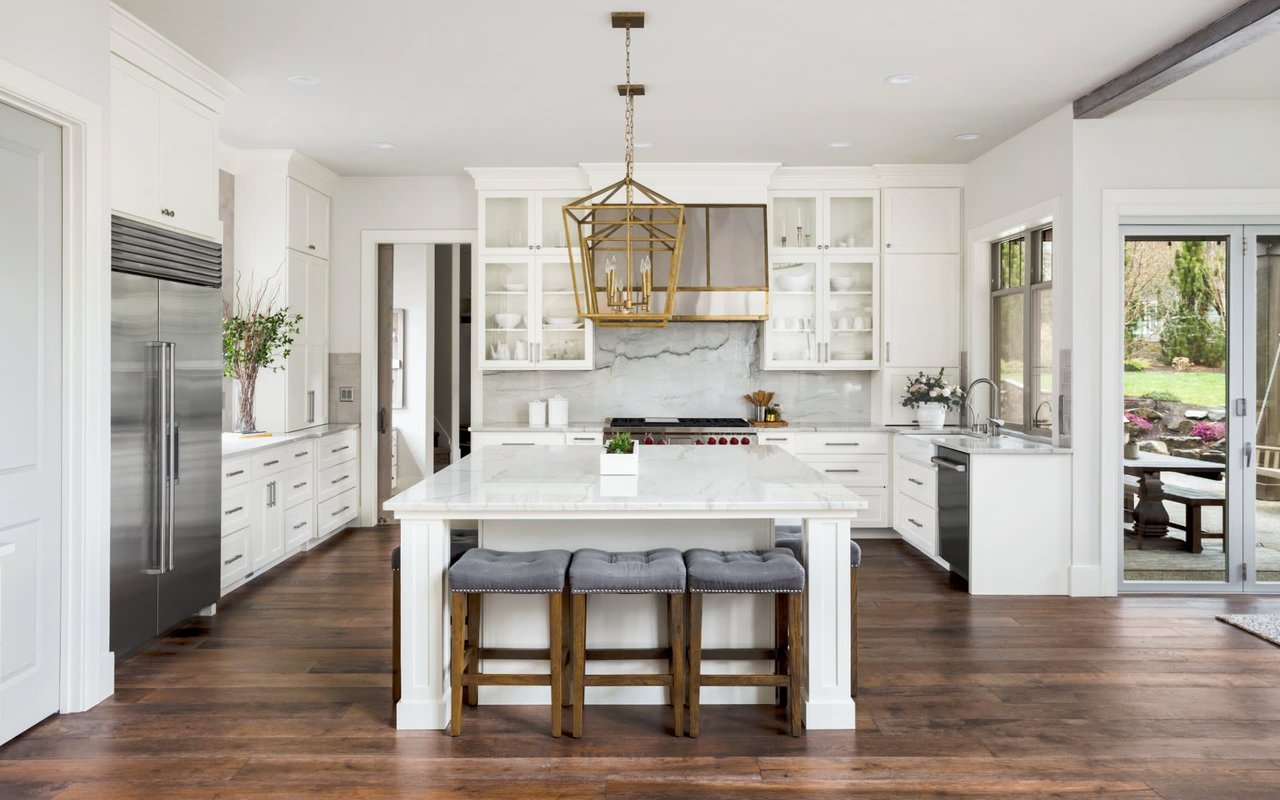
A kitchen with a large island in the middle, stools, and a stove

A Personal Welcome

Congratulations on your move to Raleigh — I'm so glad this guide found its way to you, and I hope it makes the next few months feel a little less overwhelming and a lot more exciting.

A little about me: I've called Raleigh home for almost 30 years now, but I didn't grow up here. I grew up in the DC area, went to college in Philadelphia, and took my first jobs out of school in Chicago. So when I say I understand what it feels like to move to a new city and build a life from scratch, I mean it — I've done it myself, and I've spent decades since helping other people do the same thing here in Raleigh.

Since then, I've helped relocating clients from Boston, New York, Los Angeles, Philadelphia, Chicago, and beyond find their footing here — not just a house, but a neighborhood, a rhythm, a place that actually feels like home.

This guide covers the essentials: what Raleigh is really like, what things cost, where the jobs are, and a breakdown of the neighborhoods so you can start narrowing down where you might want to land. Think of it as a head start — the kind of context I'd walk you through on our first call together.


Why Raleigh?

Raleigh has quietly become one of the most livable, fastest-growing cities in the country — and the numbers back it up:

83/100

Livability Score

468K+

City Population

Top 2%

Best Places to Live, Worldwide

Raleigh consistently ranks among the best places to live in the country, and locally, it's considered the most liveable city in North Carolina. It's the state capital, home to NC State University, and anchors one corner of the famous Research Triangle alongside Durham and Chapel Hill — a region built around three major research universities (NC State, Duke, and UNC-Chapel Hill) and a deep bench of research, healthcare, and technology employers.

What makes Raleigh different from a lot of fast-growing Sun Belt cities is that the growth hasn't erased the small-city feel. You can have a genuine walkable-neighborhood life, a short commute, and still be part of a metro area that's drawing new residents and major employers every year.

Cost of Living

Raleigh runs a bit above the national average — modestly, not dramatically — and the details vary quite a bit depending on what you're used to paying where you're coming from.

Overall Cost of Living
About 3–9% higher than the U.S. national average
Monthly Cost (single adult)
Roughly $2,700/month, covering housing, food, healthcare, transportation, and energy
Monthly Cost (family of 4)
Roughly $5,900–$6,000/month
Housing
The single largest budget line — typically 25–35% of gross household income
Comfortable Income (single adult)
$55,000–$70,000/year in most cases
Comfortable Income (family of 4)
$95,000–$120,000/year combined
Healthcare
Slightly above the national average — access to Duke, UNC, and WakeMed is excellent, though routine care isn't necessarily cheaper

The honest takeaway: if you're relocating from a major coastal metro — Boston, NYC, LA, DC, San Francisco — Raleigh will likely feel like a meaningful step down in cost, especially on housing. If you're coming from a smaller or more affordable market, it's worth budgeting a bit above what you might expect.

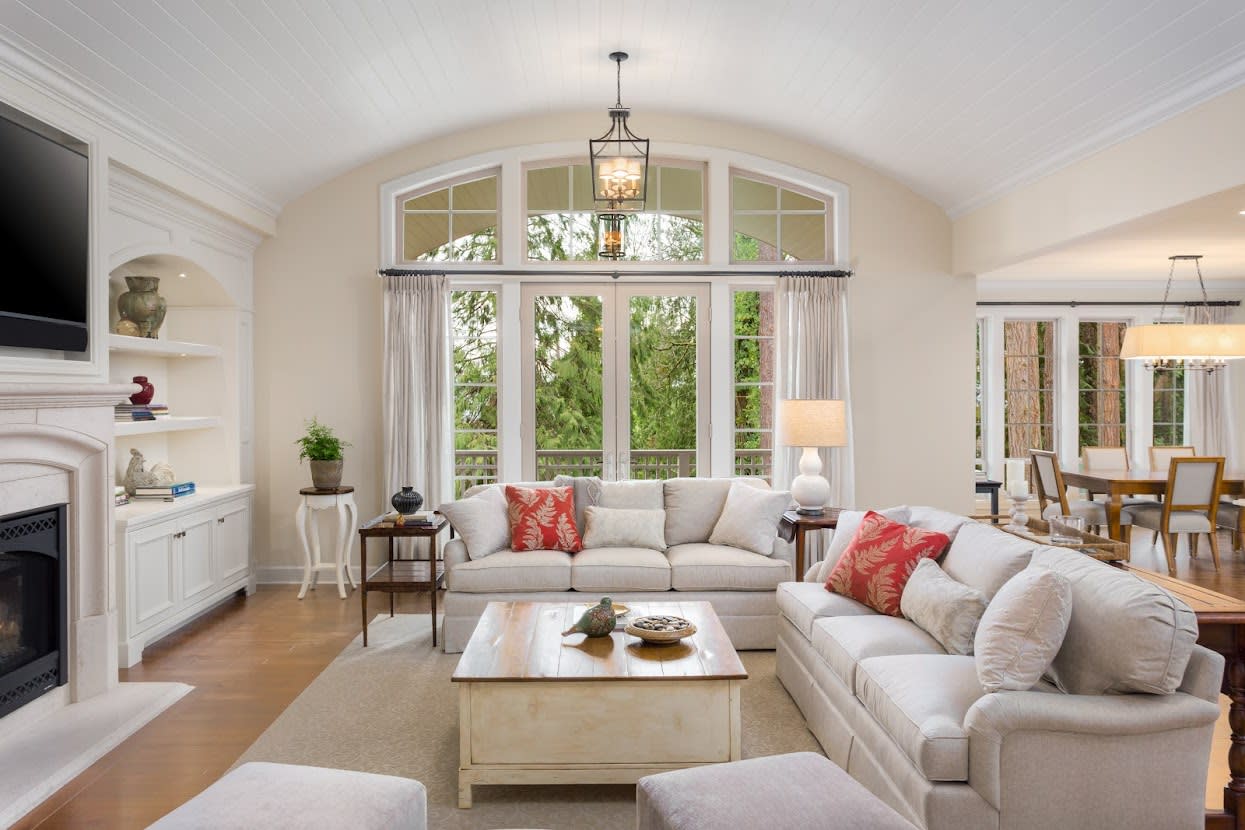
A cozy living room with two gray-colored couches facing a fireplace.

The Job Market

Raleigh's job market is anchored by the Research Triangle Park (RTP) — 7,000 acres and 300+ companies, sitting between Raleigh, Durham, and Chapel Hill and closely tied to NC State, Duke, and UNC-Chapel Hill.

Key Industries

  • Technology — a dense cluster of established tech companies and startups throughout RTP and downtown
  • Biotechnology & Pharmaceuticals — major pharmaceutical companies and contract research organizations throughout RTP
  • Healthcare — hospitals and health systems (Duke, UNC, WakeMed) serving a fast-growing metro population
  • State Government — stable, benefit-rich employment centered in Raleigh as North Carolina's capital
  • Higher Education & Research — NC State, Duke, and UNC-Chapel Hill, plus their affiliated research institutes and teaching hospitals
  • Construction & Real Estate — sustained population growth has kept this sector strong through 2026

A Note for Commuters
Where you work matters a lot when choosing a neighborhood here. If your job is in RTP itself, areas like Brier Creek or North Hills (via I-440) tend to make more sense. If you're downtown-based, Inside the Beltline neighborhoods put you walking distance from the office. We'll cover this more in the neighborhood section next.

Neighborhood Guide

Raleigh's neighborhoods have distinct personalities — there's no single “right” answer, just the right fit for your lifestyle, commute, and budget.

Climate & Lifestyle

Weather, Season By Season

  • Spring (Mar–May): Mild and blooming — one of the most beautiful times of year here, with azaleas and dogwoods throughout the city.

  • Summer (Jun–Aug): Hot and humid, typically in the upper 80s–low 90s°F, with afternoon thunderstorms common.

  • Fall (Sep–Nov): Widely considered the best season — crisp, colorful, and mild.

  • Winter (Dec–Feb): Mild by most standards — occasional light snow or ice, but nothing like a true Northern winter.

Getting Outside

Raleigh is known as the “City of Oaks,” and the outdoor lifestyle is a real part of daily life here — not just a weekend activity.

  • An extensive Greenway trail system connecting neighborhoods across the city for walking, running, and biking

  • Umstead State Park — great trail running and hiking, close to Brier Creek and North Raleigh

  • Lake Johnson and Lake Wheeler — popular for kayaking, paddleboarding, and lakeside walks

  • A strong, growing food and restaurant scene concentrated downtown, in North Hills, and in neighborhood pockets like Five Points and Person Street

Your Relocation Checklist

  • Connect with a local lender for pre-approval, even if you're not actively house-hunting yet
  • Start narrowing down target neighborhoods based on commute, budget, and lifestyle
  • Schedule an intro call with a local agent (that's me!) to start getting oriented
  • Plan a visit if you haven't already — touring neighborhoods in person makes a huge difference
  • Begin the home search in earnest, or line up a short-term rental if you need more time to decide
  • Research schools if you have children, and reach out to specific districts with questions
  • Set up utilities (electric, water, internet) ahead of your move-in date
  • Update your address with USPS, banks, and any subscriptions
  • Transfer or apply for a North Carolina driver's license and vehicle registration
  • Register to vote in North Carolina if you'd like to
  • Explore your new neighborhood — find your coffee shop, your grocery store, your favorite walk
  • Give yourself time. It takes a few months for any new city to start feeling like home.

Please Complete the Following Form to Download Our Moving to Raleigh Guide

Sending...
Successfully sent!
eBook Image
A living room with various furniture with cream-color décor, a stone fireplace, and large windows.

Let's Talk

I'm Courtney Whalen, and I lead Whalen & Co., a boutique team at Compass specializing in Inside the Beltline Raleigh real estate — Hayes Barton, Five Points, Cameron Park, Boylan Heights, Budleigh, Oberlin Village, and historic downtown Raleigh.

My team and I have helped relocating clients from Boston, New York, Los Angeles, Philadelphia, Chicago, and beyond find their place here, and we'd love the chance to help you too. Whether you're a few months out or just starting to explore your options, an intro call is a great first step — we'll talk through your timeline, budget, and priorities, and I can point you toward the neighborhoods that make the most sense for your specific situation.

Ready to talk it through?
Courtney Whalen • Whalen & Co. at Compass

Work With Us

Bringing together a team with the passion, dedication, and resources to help our clients reach their buying and selling goals. With you every step of the way.

Follow Us on Instagram