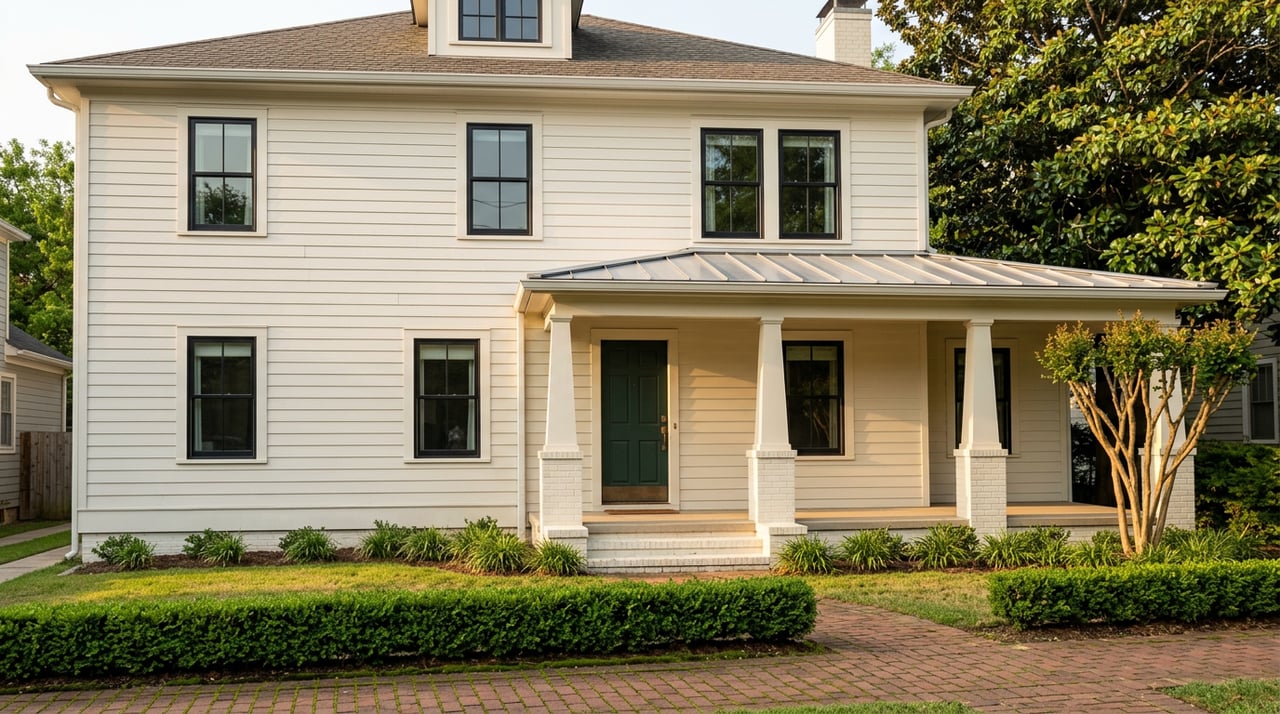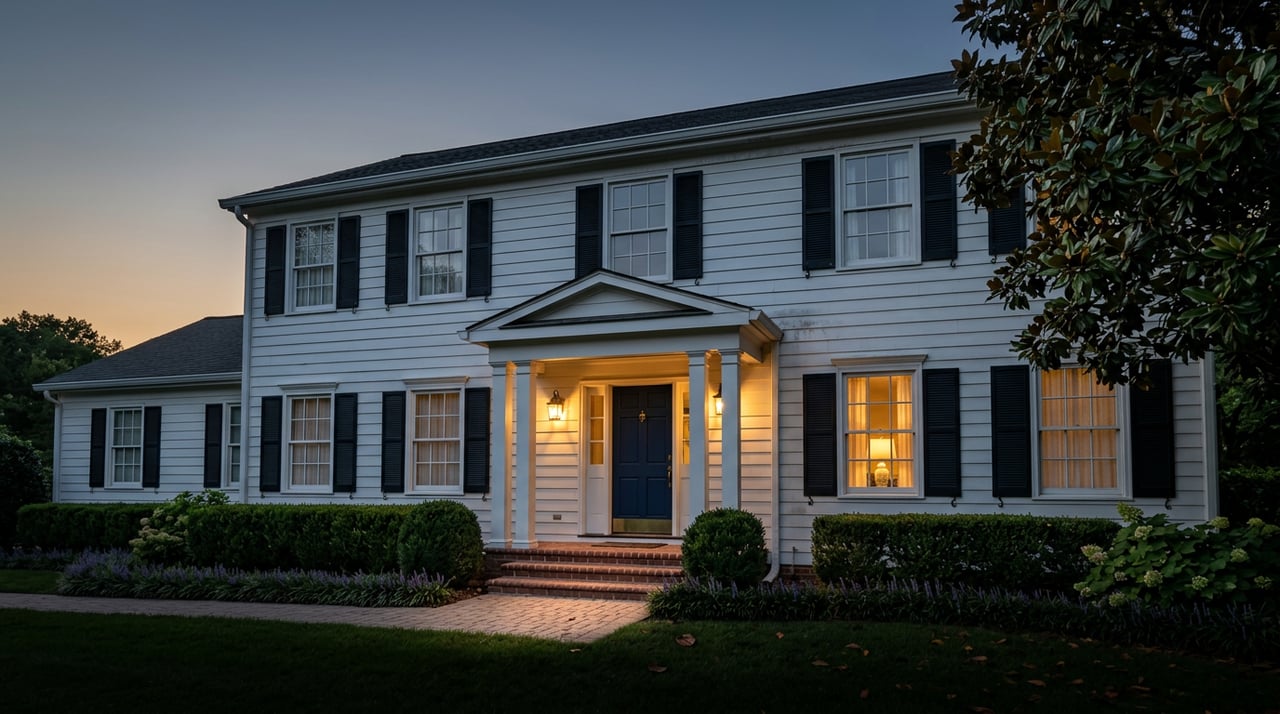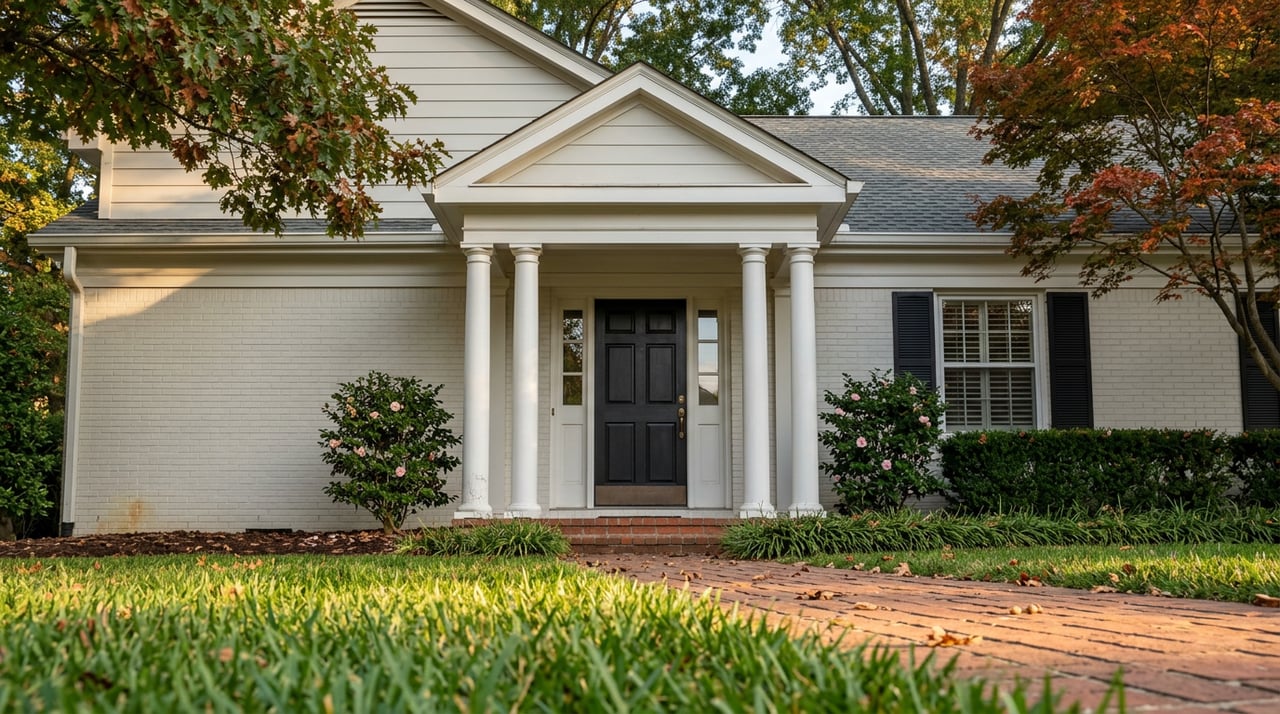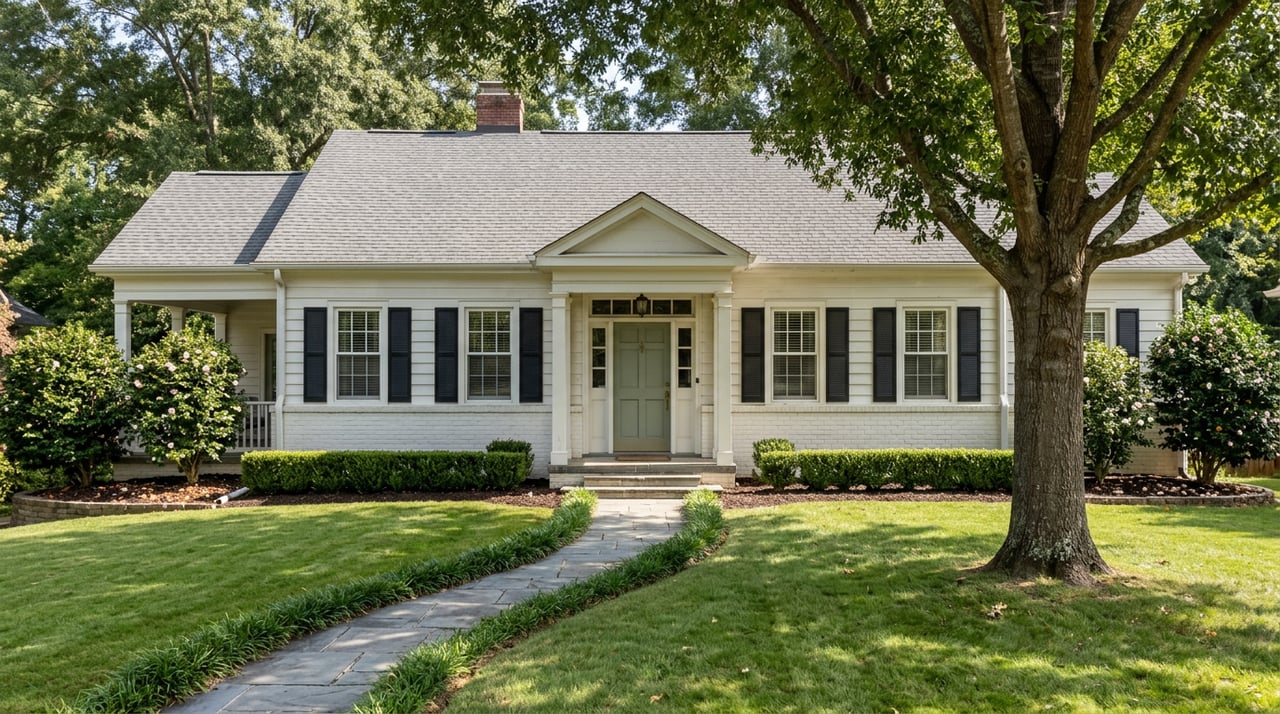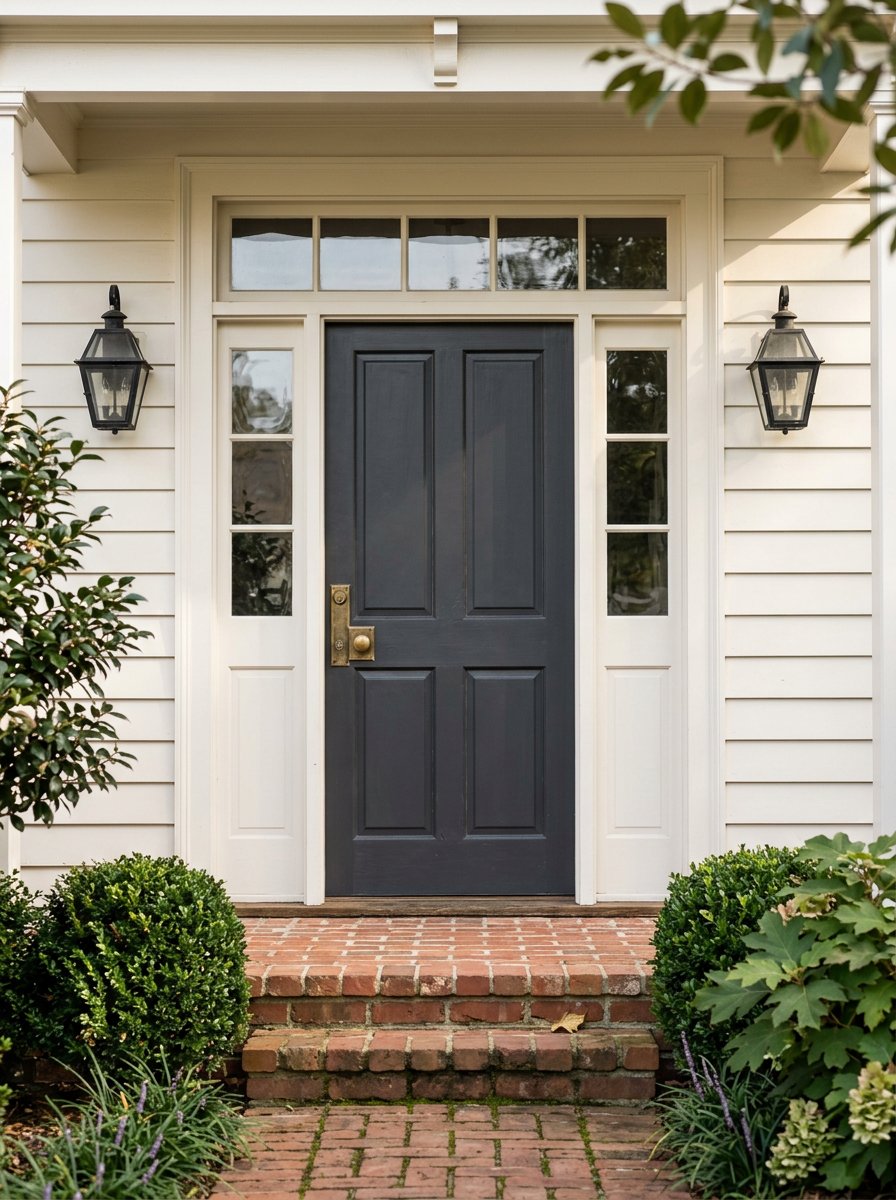
Love the charm of tall windows, deep porches, and tree‑lined streets? Durham’s historic homes offer character you cannot replicate with new construction. At the same time, these properties come with unique rules, inspection needs, and budgeting considerations. In this guide, you’ll learn how Durham’s historic review works, what to inspect, how to plan renovations, and the smart steps that set you up for a smooth purchase. Let’s dive in.
Durham historic rules: local vs. national
Before you fall in love, confirm how the home is designated. In Durham, there are two main types of recognition and they are not the same.
- Local historic districts and locally designated landmarks trigger design review. If the property is locally designated, nearly all exterior changes require a Certificate of Appropriateness (COA) before permits. You can see what a COA covers on the city’s page for Certificates of Appropriateness.
- National Register districts are a federal and state recognition. They do not trigger Durham’s local design review by themselves. They may relate to eligibility for certain incentives.
To see which Durham neighborhoods are locally designated, visit the city’s page for Local Historic Districts. You will find a list of districts and resources to confirm status.
Confirm status early in due diligence
A few quick checks can save you time and surprises.
- Search the city’s Local Historic Districts page to confirm if the address is in a local district or is a local landmark. If yes, plan on a COA for exterior work.
- Ask the seller for any prior COA approvals and building permits. A clean file helps you understand what was approved and when.
- If you plan visible or major work, review timing with the Historic Preservation Commission (HPC). The HPC meets monthly and handles major COAs, while staff can approve some minor work. Learn about schedules and submittals on the Historic Preservation Commission page.
What changes need approval
In Durham’s locally designated districts and for local landmarks, the city expects a COA for almost any exterior change. That includes roof materials, windows, siding, porches, paint colors in some contexts, and many site elements, even if the change is not visible from the street. The city outlines this requirement in the COA guidance.
If you hope to start work soon after closing, build the COA timeline into your plan. Minor items can often move faster with staff approval. Major or highly visible changes usually go to the HPC and can take weeks to months depending on completeness and scheduling.
Inspections that matter for older homes
Older homes can be durable and beautiful, but systems may be at the end of their life. Order a full home inspection and add specialists where needed.
Electrical and insurance
If the house has knob‑and‑tube or older two‑wire systems, you may face safety concerns and insurance hurdles. Many lenders and insurers want modern service and updated panels. Rewiring is often a multi‑thousand‑dollar job. Review common insurance issues with this overview on older homes and insurance requirements and confirm coverage availability before closing.
Plumbing and sewer
Galvanized or lead lines and aging drains can affect water quality and leak risk. Scope the sewer if applicable, test pressure, and budget for partial or full repiping if reports flag concerns.
Roofs, chimneys, and gutters
Roofs age out. National cost guides place many asphalt shingle replacements in the five‑figure range for common homes. Review typical costs so you can budget wisely using this roofing cost overview. Inspect chimney flashing and masonry while you are on the roof plan.
Foundations and drainage
Water is the enemy of older structures. Look for signs of moisture, settling, or failing piers. If your inspector flags issues, get a structural engineer’s opinion early in your due diligence period.
Windows, porches, and exterior wood
Historic windows and porches are often repairable. Preservation‑minded repair can be cost‑effective over time and helps maintain character. Ask for a contractor who understands wood repair, sash restoration, and storm windows so you can compare the long‑term value of repair versus full replacement.
Lead paint and asbestos
Homes built before 1978 may contain lead‑based paint. If your renovation will disturb painted surfaces, the EPA’s Renovation, Repair, and Painting (RRP) rule applies. Use certified contractors and plan for testing and safe practices. Learn the basics in the EPA’s RRP guidance.
Budget smartly for repairs
Create a line‑item budget the moment your inspection reports land, then add a contingency for hidden conditions. Older homes often benefit from a 10 to 25 percent contingency, especially when opening walls or repairing porches and foundations.
- Electrical: Whole‑house rewiring and panel upgrades often cost several thousand dollars and can exceed five figures in larger or complex homes. Insurers may require updates if wiring is obsolete. See the insurance perspective on older home systems.
- Roofing: Many common asphalt shingle replacements fall in the low‑ to mid‑five‑figure range, depending on size and material. Review the national roofing cost guide for context, then verify locally.
- Windows and woodwork: Repair‑first strategies often cost less than custom replacements and preserve value. Price both options so you can make a clear decision.
Always get at least two bids from contractors familiar with historic homes. Ask for scope details, material specs, and timelines so you can compare apples to apples.
Renovations, tax credits, and incentives
Historic incentives can be powerful, but they have rules and timelines. Plan early so you do not miss out.
Federal 20 percent credit for income‑producing properties
The federal Historic Rehabilitation Tax Credit offers a 20 percent income tax credit for certified historic structures when the rehabbed property will be used for income‑producing purposes, such as multifamily rental or commercial. Owner‑occupied primary residences do not qualify for the federal credit. Review eligibility and the three‑part application on NPS Technical Preservation Services. If you intend to apply, secure approvals before starting work.
North Carolina credits for homeowners and investors
North Carolina supplements the federal program and provides state rehabilitation tax credits with different provisions for income‑producing and non‑income‑producing work. The homeowner credit has historically been framed as a percentage of qualified expenses, subject to caps. Check the current statute and guidance in Chapter 105 on North Carolina’s legislative site, and coordinate with the State Historic Preservation Office before beginning work.
Approvals and sequencing
If you plan to pursue state or federal credits, do not start demolition or major work until your applications are in process and approvals are in hand. This protects your eligibility. Your local COA process still applies in Durham, so factor both the credit reviews and the HPC meeting and review steps into your project schedule.
Ownership duties and long‑term care
Durham’s rules also address neglect. The city can investigate and require corrective action if a locally designated building is allowed to deteriorate to the point of demolition by neglect. If you are considering a vacant property with deferred maintenance, review the city’s Demolition by Neglect guidance and check for any enforcement history.
Regular maintenance is your best friend. Keep gutters clear, direct water away from the foundation, and address small wood repairs before they grow. You will protect both character and value.
Resale and value considerations
Buyers are drawn to character, but they also expect safe, modern systems. Thoughtful upgrades that respect historic fabric often stand out at resale. Keep clear records of your permits, COAs, and contractor invoices so future buyers and appraisers can see the home’s care and compliance history.
On value, many preservation economics studies find that historic districts can perform as well as or better than comparable non‑designated areas, although outcomes vary by city and market context. For background on the research, explore the summaries from PlaceEconomics. In Durham, the best way to understand value is to compare recent local sales of similar homes with similar levels of preservation and system updates.
Your next steps in Durham
- Confirm designation. Use the city’s Local Historic Districts page and ask the seller for any past COAs and permits.
- Plan the review path. If you anticipate exterior changes, review the COA and HPC process and build the timeline into your offer strategy.
- Order inspections. Schedule a full home inspection and add specialists for electrical, plumbing, HVAC, structural, and lead testing if pre‑1978. Review insurance needs early using this older homes insurance guide.
- Build a realistic budget. Get two or more bids for major items. Use national context, like this roofing cost overview, then verify with local contractors.
- Map incentives. If you plan to use credits, read the NPS program basics and the North Carolina statute. Start early and avoid beginning work before approvals.
Ready to find a Durham home with history and a plan that makes sense? Reach out to Courtney Whalen for local guidance on historic properties, off‑market opportunities, and a clear, step‑by‑step path from offer through approvals and closing.
FAQs
What is a Certificate of Appropriateness in Durham?
- A COA is the city’s design approval required for most exterior changes to locally designated historic properties; see Durham’s COA guidance.
How do I confirm if a Durham home is in a local historic district?
- Check the City of Durham’s page listing Local Historic Districts and ask the seller for any COA or permit history.
Which inspections are essential for pre‑1978 Durham homes?
- In addition to a full home inspection, add licensed electrical, plumbing, HVAC, structural, and lead testing; follow EPA’s RRP guidance if you plan to renovate.
Can I use historic tax credits on an owner‑occupied Durham home?
- Federal credits apply to income‑producing properties; North Carolina also offers state credits with homeowner provisions, so review the NPS overview and NC statute and coordinate before work.
How long does Durham’s historic review usually take?
- Minor work can be approved by staff relatively quickly, while major or visible projects go to the HPC and can take weeks to months depending on submittal completeness and scheduling; see the HPC page.