Search "Downtown Apex home prices" this month and you'll land on two stories that can't both be true. One shows the median sale price for the historic core near Salem Street sitting close to $1.2 million for the three months ending June 2026, up more than 50 percent from the same stretch last year. Another, pulled from a snapshot just weeks earlier in May 2026, shows homes listed for sale in that same handful of blocks at a median of $525,000, down by roughly the same margin over the same twelve months.
Same streets. Same year. Numbers moving in opposite directions hard enough to make you wonder if either one is real.
They're both real. They're just too thin a sample to mean what a median usually means. If you're comparing a lot near downtown to a new build out toward Veridea, or trying to figure out whether a listing near the Historic Apex Depot is priced fairly, the neighborhood-level median for downtown right now tells you almost nothing on its own. Here's why, and what to look at instead.
Two Numbers, Two Different Questions
Part of the gap is definitional. One figure tracks what buyers actually paid at closing over a three-month window. The other tracks what sellers were asking in a single month. Asking price and closing price answer different questions, and in a market where inventory is thin, they can drift apart without anything being wrong.
But the definitional gap doesn't explain a swing this size. Even comparing sold-to-sold, downtown Apex's numbers move harder than the rest of town, because the pool of homes changing hands in any given quarter is small enough that one unusual sale can carry the whole average.
Why a Few Blocks Can't Support a Reliable Median
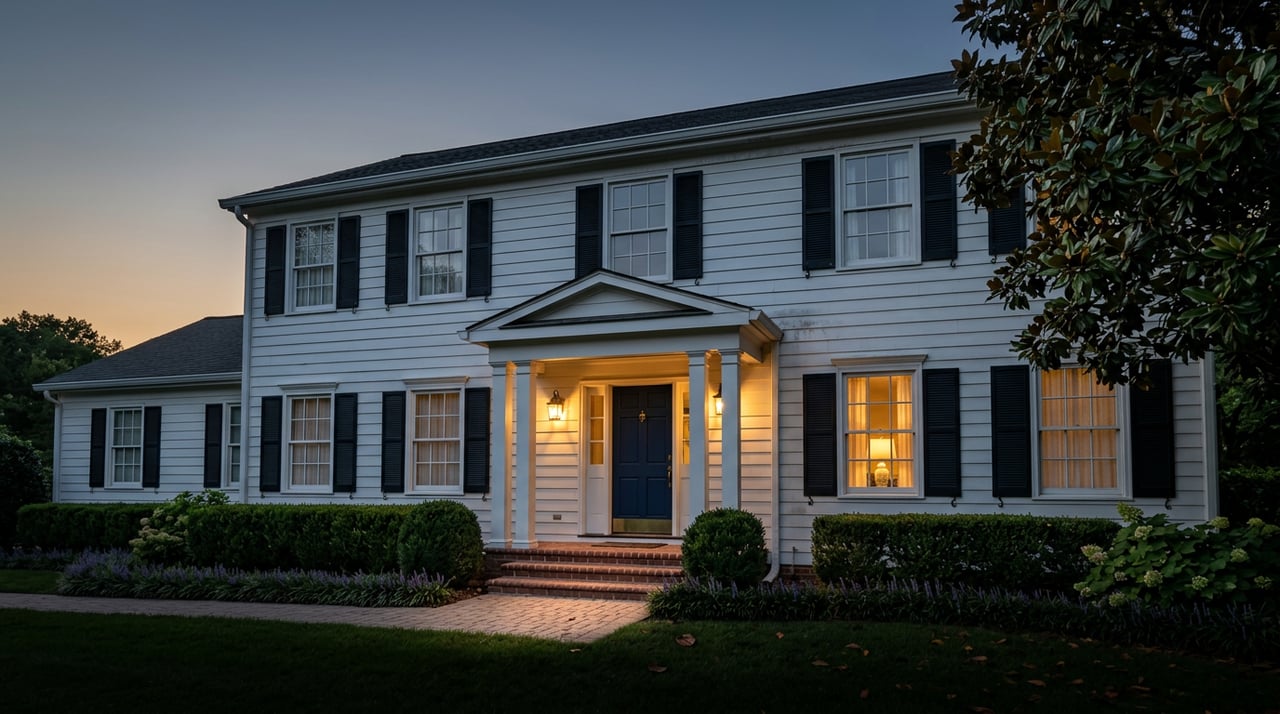
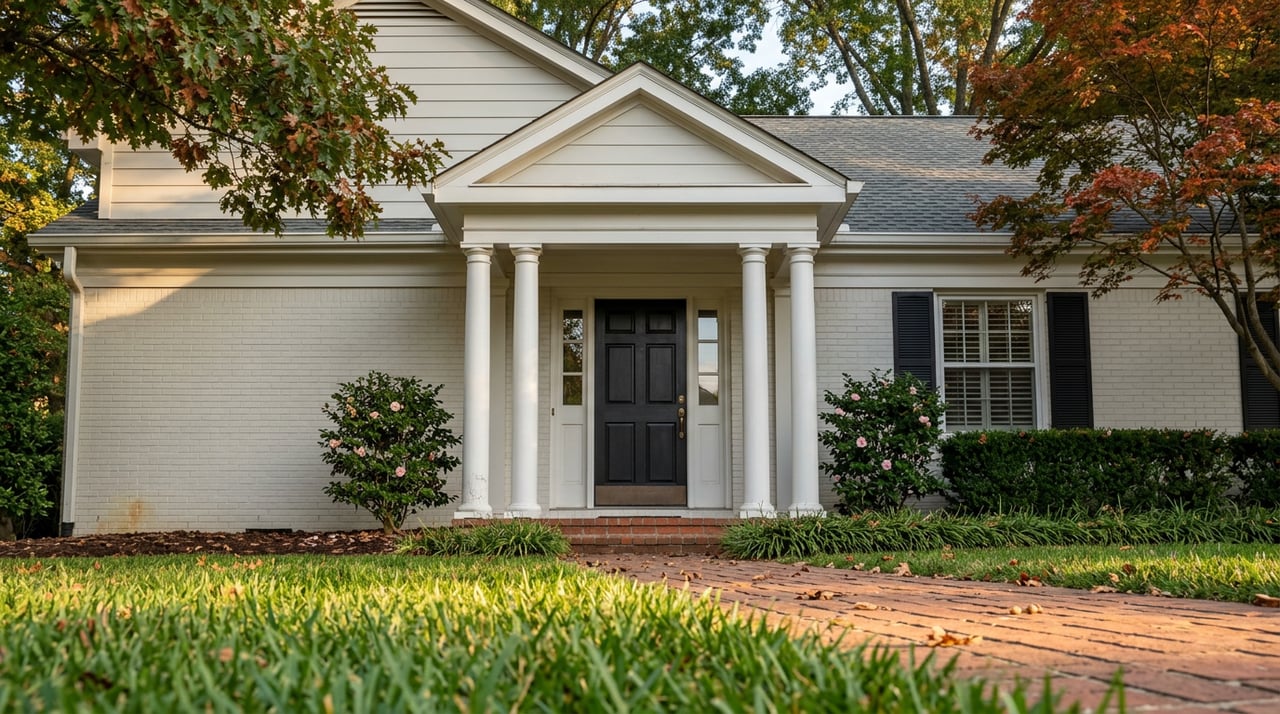
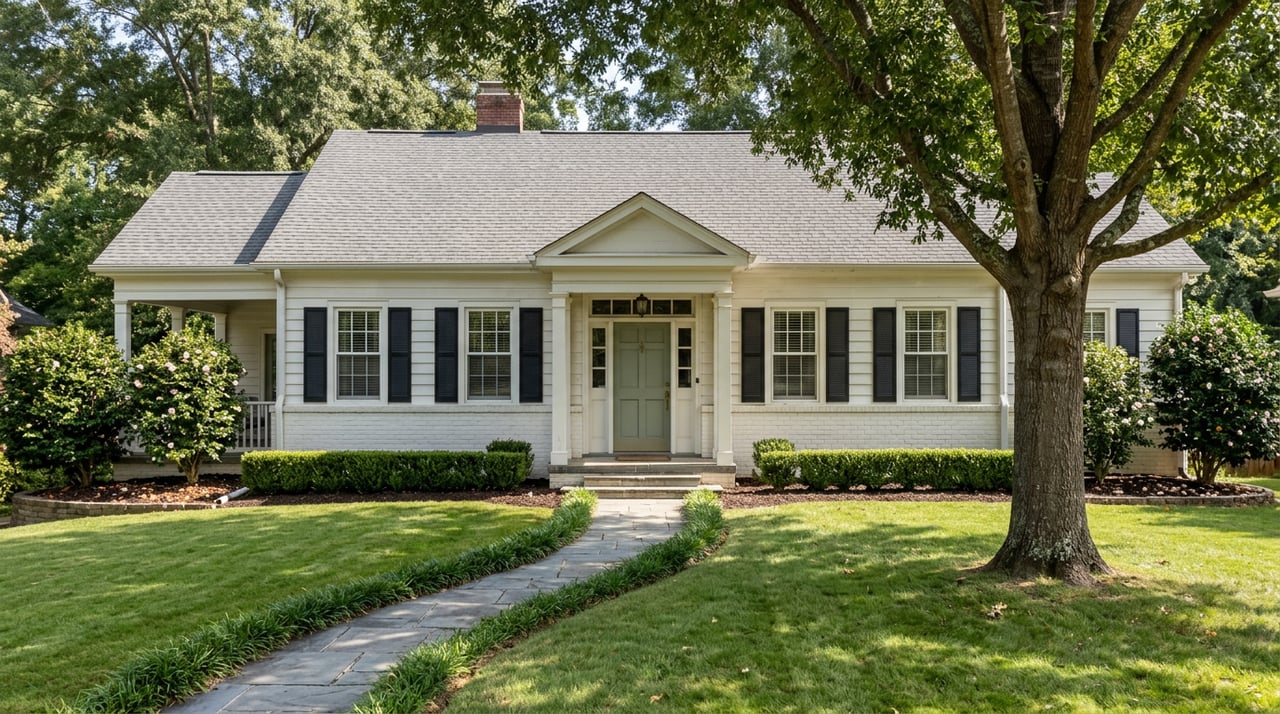
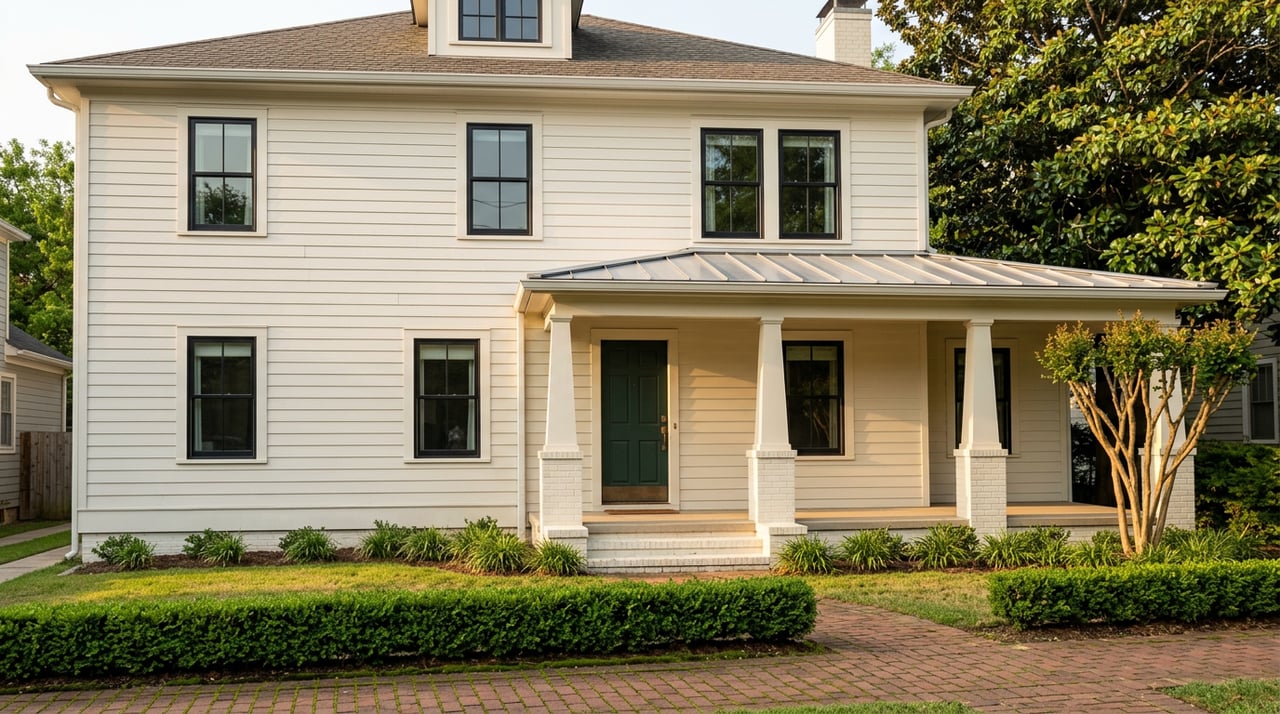
Downtown Apex isn't a subdivision with a few hundred comparable homes trading every quarter. It's a compact historic core, listed on the National Register of Historic Places for the preservation of its turn-of-the-century railroad-town architecture, built around a few blocks of Salem Street. That's exactly why it's desirable and exactly why its median is so easy to knock off balance.
A median only works when enough transactions cluster around a typical value that outliers get absorbed. In a market this small, they don't get absorbed. They become the story. A single custom rebuild on a lot that sold for a premium, or one original-condition cottage that closes low because it needs full renovation, can pull a three-month median tens of percentage points in either direction. Neither sale is a mistake. Neither one tells you what a typical downtown home is worth.
Widen the lens to the whole town and the picture steadies out. Apex's town-wide median sale price sat at $622,000 for the three months ending June 2026, down about 2 percent from the year before. A separate read of August 2026 closings put the town median at $609,995, up 5.7 percent year over year, while price per square foot actually fell 2.4 percent to $240. Those two readings disagree with each other too, but only by a few percentage points, not fifty. That's what happens when a market has enough volume for a median to do its job.
The Teardown Lots Behind the Swing
The specific pressure on downtown's number has a name, and it isn't mysterious once you see it. Gemstone Homes, founded by Ken Godwin and Chris Schiavone, is currently building twelve custom infill homesites within walking distance of historic downtown Apex, priced from the $700s. Separately, at least one recent listing near downtown was marketed explicitly as a lot for builders and investors to tear down and rebuild, calling it one of the most in-demand pockets in Wake County.
That's the mechanism. A neighborhood with strict historic preservation and almost no vacant land doesn't get new supply the way a growing suburb does. When a buildable lot does come to market, whether it sells as a teardown at land value or closes after a custom rebuild at $700,000-plus, that single transaction carries more statistical weight than it would almost anywhere else in Apex. Add the pull of walking to Popovers Cafe for breakfast or Scratch Kitchen & Taproom for dinner, and it's easy to see why builders keep paying up for the handful of lots that become available. It's also easy to see why that willingness shows up in the median as volatility rather than a clean trend line.
Construction Adds Its Own Noise This Year
There's a second layer specific to 2026. The town's Salem Streetscape project began construction in January and is expected to wrap by October, closing one side of Salem Street to traffic at a time and restricting through traffic to a detour around the core. It's a long-planned investment in the corridor, not a sign of anything going wrong, but it's also the kind of disruption that can make a seller time a listing around it and make a buyer wait for the dust to settle. Either behavior shows up in the numbers as a short-term wobble that has nothing to do with what a downtown home is actually worth once the streetscape reopens.
What This Means If You're Comparing Apex Neighborhoods
If you're weighing a home near downtown against something newer near Veridea or out along the Highway 55 corridor, don't lean on the headline median for either side of that comparison. For downtown specifically, ask for the actual closed comps on streets you're considering, not an automated neighborhood average pulling from a handful of very different sales. For a fairer read across neighborhoods, price per square foot on genuinely similar product tells you more than a median that's been bent by one teardown or one rebuild.
The town-wide numbers are the more trustworthy anchor right now. They move in normal ranges because enough homes sell every month to average out the unusual ones. Downtown's number will keep swinging until the next few quarters of transactions catch up to the current wave of infill building, and that's not a flaw in the data. It's just what a small, in-demand, supply-constrained core looks like on a spreadsheet.
A Few Direct Questions
Why do different sites show such different numbers for the same neighborhood? Because they're often measuring different things. Some track closed sales, others track active listings. Some average three months, others a single month. In a high-volume market those differences wash out. In downtown Apex's small sample, they don't, and a modest definitional gap can look like a market swing.
Does this mean downtown Apex is a bad bet right now? No. It means the median isn't the tool to use for evaluating it. The fundamentals that make downtown desirable, walkability, historic character, a limited supply of buildable lots, and continued investment in the corridor through projects like the Salem Streetscape, haven't changed. What's changed is how much weight a handful of unusual sales can throw around a small number.
If you're trying to make sense of a specific address near Salem Street, or you want a real comparison between a downtown lot and new construction elsewhere in Apex, Whalen & Co. can pull the actual comps behind the headline number and walk you through what they mean for your situation. Request your home valuation and we'll start with the sales that actually apply to your address, not the average of everything nearby.