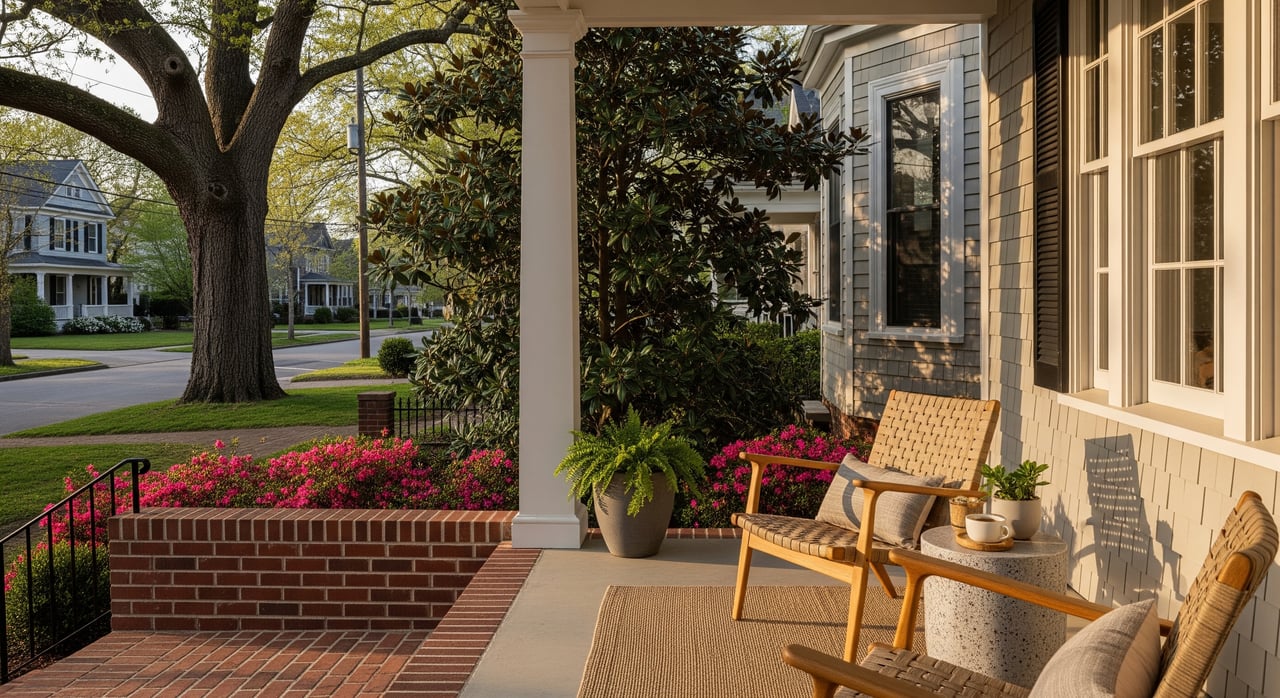
If you picture starting your day with a walk to coffee and ending it at a local show or quiet porch time, Inside the Beltline might be your Raleigh. You want a place where work, errands, parks, and culture are close, and where homes have character. In this guide, you’ll see what daily life feels like inside Raleigh’s I‑440 loop, from commute options and neighborhood vibes to parks, schools, and renovation basics. Let’s dive in.
What “Inside the Beltline” means
“Inside the Beltline” (often called ITB) refers to the area within Raleigh’s I‑440 loop. It is a common local term rather than a formal boundary. You will find a mix of historic neighborhoods, downtown districts, and small commercial nodes with shops and dining. For civic maps and neighborhood resources, the City of Raleigh is the best starting point.
The area covers places like Downtown and Fayetteville Street, Glenwood South, the Warehouse District, Village District and nearby streets, and historic pockets such as Hayes Barton, Five Points, Oakwood, Boylan Heights, and Mordecai. Exact boundary lists can vary by source. You can confirm neighborhood details on the City of Raleigh.
Daily rhythm, from morning to night
Morning: quick starts and short commutes
Mornings ITB often start with a walkable coffee stop or a short drive. If you work downtown or at nearby job centers, you can plan shorter commutes compared with further suburbs. Many residents mix options, driving some days and using transit or bikes on others.
If you prefer to get outside early, you will find sidewalks and greenway links for runs or dog walks. Core neighborhoods are generally more walkable than outer Raleigh, though block‑to‑block conditions vary.
Midday: errands and appointments
Errands are simple when grocery stores, pharmacies, and service providers are clustered near home. The Village District is a longstanding shopping and dining area, and many corner markets and small shops dot nearby streets. Healthcare is close by too, with major hospitals, clinics, and specialist offices concentrated in and around downtown.
Evening: dining, events, and downtime
If you like options after work, you will find them here. Glenwood South, the Warehouse District, and the Fayetteville Street corridor offer independent restaurants, breweries, and venues. For current events and district guides, the Downtown Raleigh Alliance is a handy resource. If quieter evenings are more your style, many historic streets offer tree‑lined walks and porch time within minutes of the same amenities.
Getting around
Driving is still common, but ITB residents often enjoy shorter trips to work, schools, and errands. Local bus routes run through the core, and regional buses connect to nearby towns and employment centers. Check routes and frequency on GoRaleigh and GoTriangle before you plan a commute.
Active transportation is growing. You will see more bike lanes and greenway links, along with scooters and other micromobility for short hops. Conditions change by corridor, so it helps to test your regular routes at the times you plan to travel. For regional flights, RDU International is a straightforward drive from ITB. Depending on traffic and route, the trip often takes about 30 to 45 minutes.
Neighborhood snapshots
Downtown and Fayetteville Street
Urban and energetic, this is the civic and employment core with museums, performing arts, and public events. Housing leans toward apartments and condos with elevator buildings, plus some live‑work spaces. You choose it for walkability, culture, and a short commute to downtown offices.
Warehouse District
Creative and adaptive, this district blends galleries, breweries, music venues, and tech offices in converted buildings. Housing includes loft‑style homes and newer condos. You pick it for nightlife, design‑forward spaces, and a lively street scene.
Glenwood South
A social corridor with restaurants, bars, and mixed‑use buildings. Housing is mostly mid‑rise apartments and condos. You choose it for evening energy and convenient dining.
Village District and nearby streets
A longstanding shopping and dining area with a neighborhood feel. Surrounding streets feature mid‑century homes, condos, and apartments. You pick it for daily convenience and a calmer residential setting near retail.
Hayes Barton, Five Points, Oakwood, Boylan Heights, Mordecai
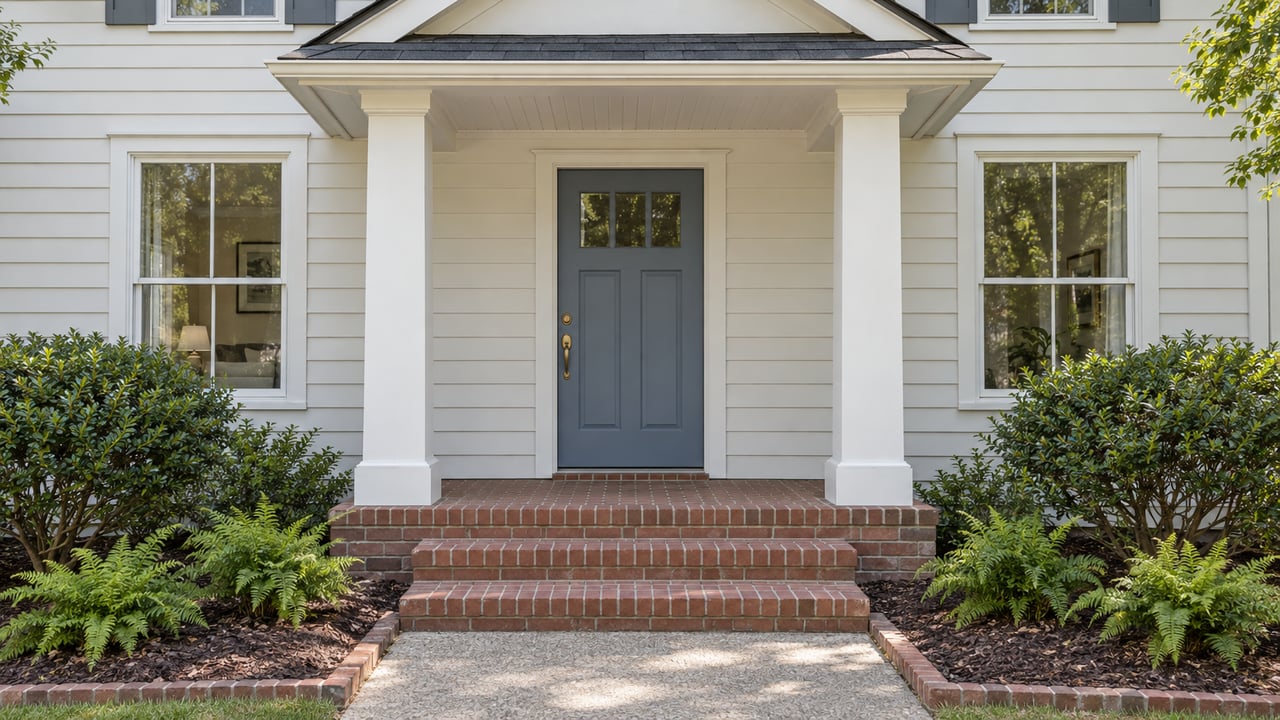
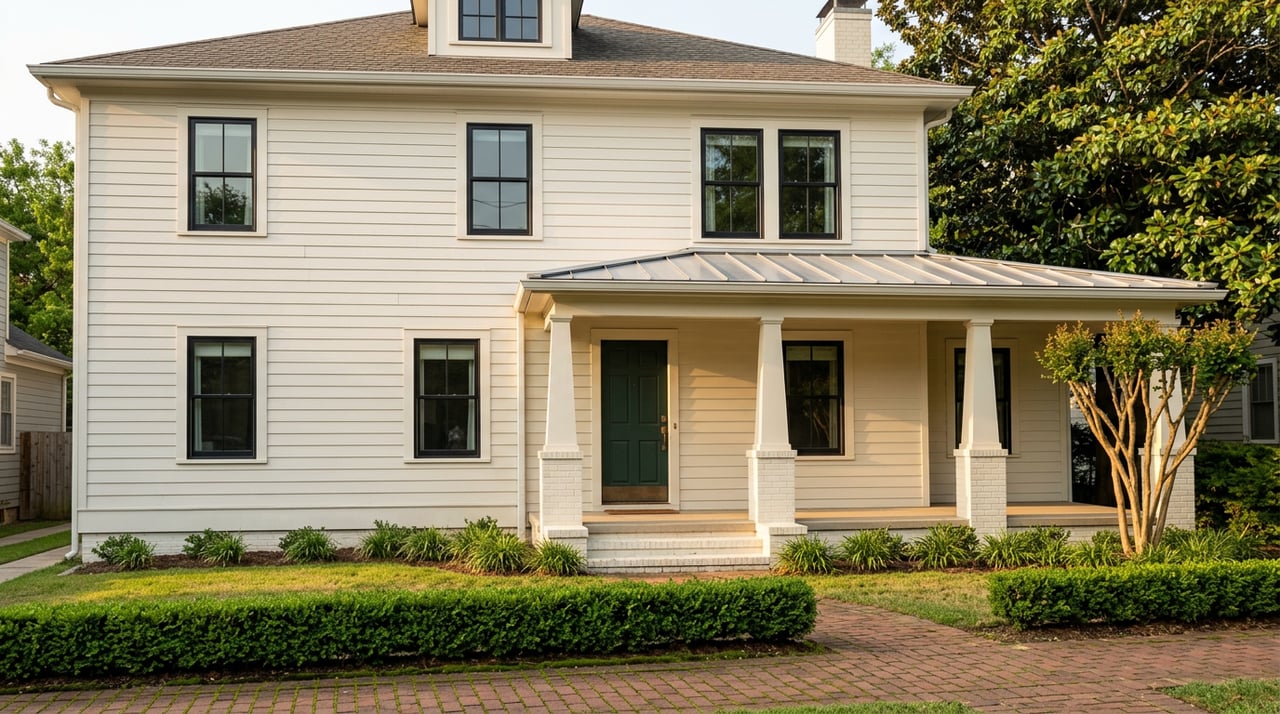
Historic residential streets with porches, mature trees, and community events. Housing includes early 20th‑century single‑family homes, bungalows, and traditional styles, plus tasteful infill. You choose it for character, a sense of place, and proximity to downtown amenities.
Parks and outdoor life
ITB offers a strong outdoor routine. Pullen Park is a historic favorite with playgrounds and family activities. Dorothea Dix Park is one of the region’s largest urban parks, with sweeping lawns and skyline views. Explore program calendars and park updates via Dorothea Dix Park. For trails, playgrounds, and recreation centers across the core, see the city’s parks and greenways hub.
Weekend farmers’ markets and community runs appear throughout the year, and greenway links make it easy to reach longer regional paths when you want a bigger ride or run.
Schools and childcare basics
Public schools inside the Beltline are part of the Wake County Public School System. Assignments depend on your exact address, and options can change as the district updates maps. Many families also explore magnet and charter programs or nearby independent schools.
Before you buy or rent, it is smart to check the address in the Wake County system and plan school visits. Find official info and the address lookup tool on the Wake County Public School System site.
Homes, history, and renovation
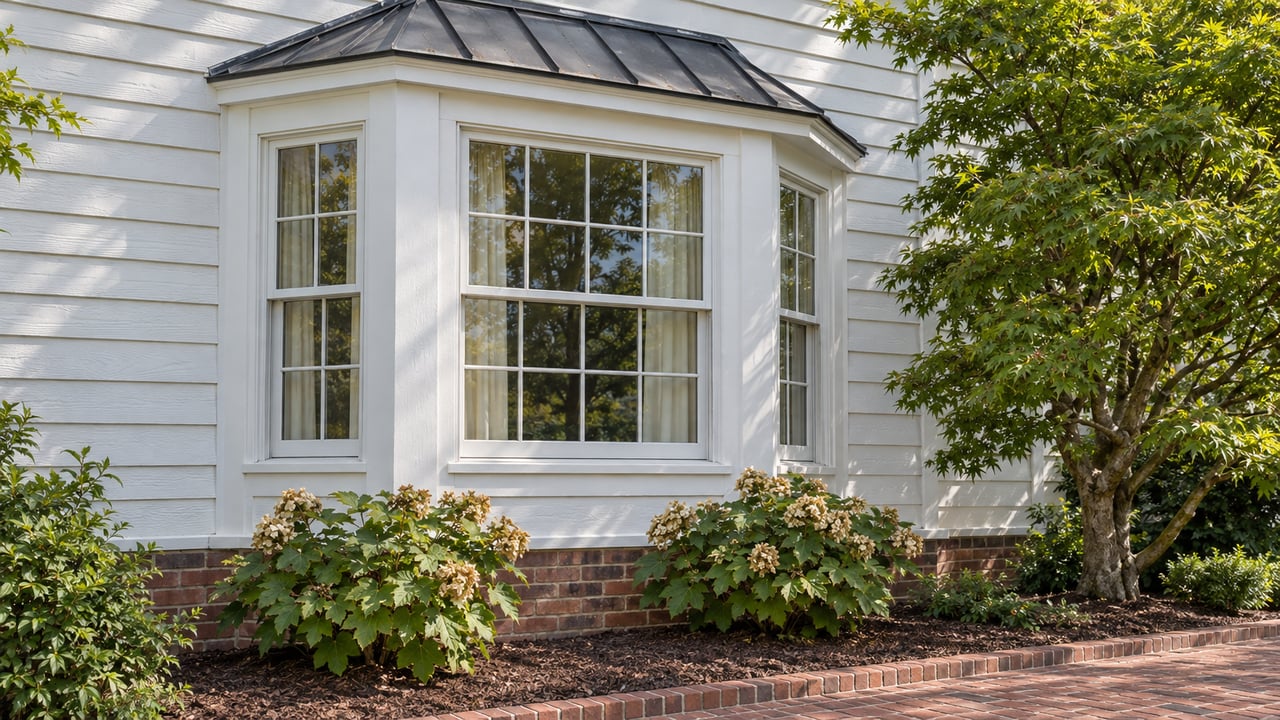
Housing ITB ranges from downtown condos and townhomes to historic single‑family homes on tree‑lined streets. Many properties date to the early and mid‑1900s. Expect tradeoffs between walkability and yard or parking size, and be ready for updates or systems improvements in older homes.
Some neighborhoods include historic districts or conservation overlays. Exterior changes, additions, and demolitions in those areas may require a design review or a certificate of appropriateness. Permits and inspections are handled by the City of Raleigh, and timelines can vary. Review guidance on the City of Raleigh and confirm what applies to a specific address.
Practical tradeoffs to consider
- Parking and traffic. Older homes and apartments often have limited on‑site parking. Some blocks use permit programs, while newer buildings tend to offer structured parking that may come with a fee. Peak‑hour congestion exists on major corridors, so test your commute at the times you will travel.
- Cost of ownership. Property taxes are managed by Wake County with city taxes and fees added. Insurance depends on property characteristics and site conditions.
- Flood risk. Parts of Raleigh sit in mapped floodplains. Always check address‑specific flood information and talk with your insurer about coverage needs. You can review parcel and flood layers on Wake County GIS and see national maps via the FEMA Flood Map Service Center.
Who ITB fits: quick vignettes
- The urban professional. You want a short commute to downtown, a gym or studio nearby, and walkable nightlife a few blocks away. A condo or apartment in Glenwood South, the Warehouse District, or Downtown fits the rhythm you want.
- The small household. You value character, parks, and a quick drive to schools and activities. A bungalow or cottage in Five Points, Oakwood, Boylan Heights, or Mordecai gives you a central base with neighborhood feel.
- The right‑sizer. You are trading a large yard for a home with style and less upkeep. A townhome or single‑level condo near the Village District or a smaller historic home on a quiet street puts daily needs close by with fewer maintenance demands.
How we help inside the Beltline
If ITB life sounds right for you, local guidance makes a big difference. You want address‑specific insights on schools and parks, clarity on historic rules, and a plan for parking, renovations, and resale value. As a boutique, principal‑led team, we help you weigh these tradeoffs and move with confidence.
Whalen & Co. pairs attentive, relationship‑first service with Compass tools like Concierge for polished listing prep and broad distribution. For buyers, we curate tours, surface off‑market opportunities, and advise on renovation and design potential. Ready to explore homes or value your current property? Connect with Courtney Whalen to plan next steps.
FAQs
What areas count as “Inside the Beltline” in Raleigh?
- ITB generally includes neighborhoods and districts within the I‑440 loop, such as Downtown, Glenwood South, Village District, Five Points, Oakwood, Boylan Heights, Mordecai, and Hayes Barton; confirm boundaries with the City of Raleigh.
How long is the drive from ITB to RDU Airport?
- The drive is typically convenient and often takes about 30 to 45 minutes depending on time of day and route; always check live traffic before you go.
Which public school will my child attend if we live ITB?
- Assignments depend on your exact address in the Wake County Public School System; use the district’s address lookup and verify directly with the school.
Can I remodel in a historic ITB neighborhood?
- Yes, but exterior changes in designated historic or conservation districts may require city review; verify permit and design requirements before you plan work.
How walkable is a specific ITB address?
- Walkability varies block by block; test your routes to parks, groceries, and transit at the times you plan to travel, and review city maps for sidewalks and greenway links.
How do I check flood risk for an ITB property?
- Check both the county parcel viewer for local layers and the national flood map, then discuss insurance needs with your agent and insurer.