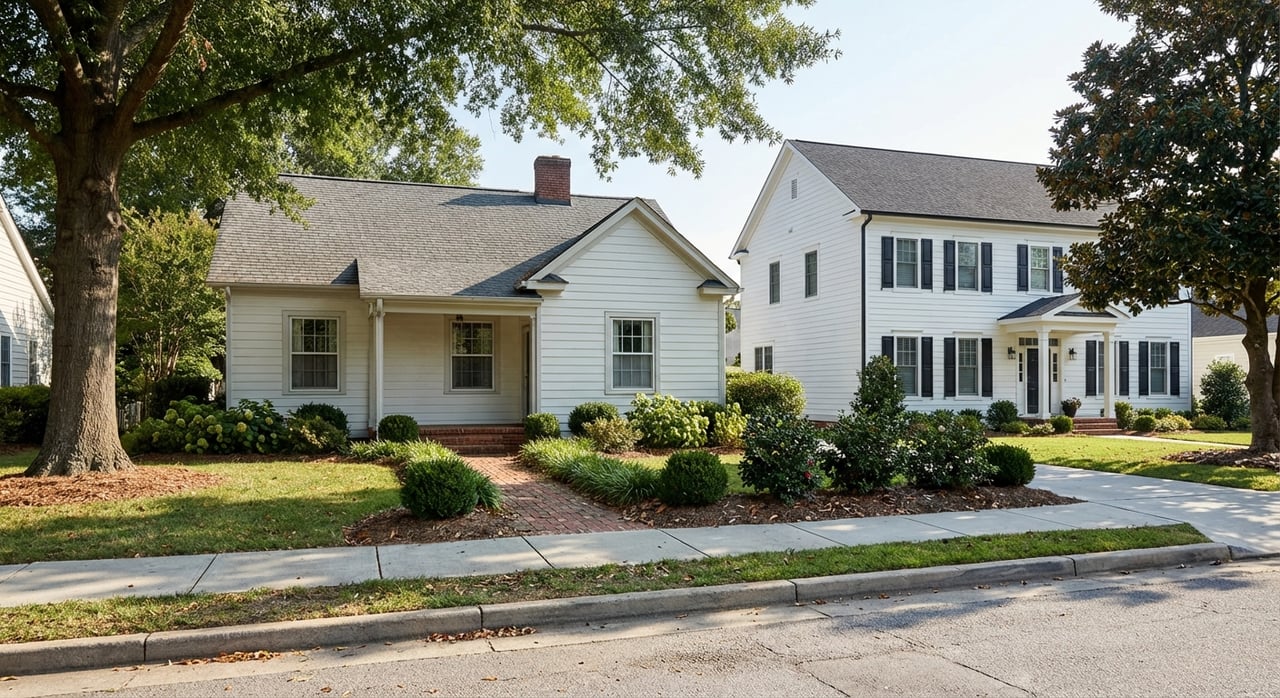
Torn between a tree-lined historic street and a fresh, amenity-rich community? You are not alone. Wake Forest gives you two compelling lifestyles, each with its own rhythm, price dynamics, and daily conveniences. In this guide, you will learn what defines the historic core, what to expect in newer master-planned neighborhoods, and how to choose the right fit for your goals and budget. Let’s dive in.
Wake Forest at a glance
- Population: 56,764 (July 1, 2024 estimate). Source: U.S. Census QuickFacts.
- Median value of owner-occupied homes (ACS 2020–2024): $474,500. Source: QuickFacts.
- Mean travel time to work: 30.9 minutes. Source: QuickFacts.
- Distance to downtown Raleigh: roughly 18 miles. Drive times vary by route and traffic. Source: Homes.com guide to Wake Forest.
- Market note: Third-party snapshots often place recent Wake Forest medians in the low to mid $400k range. Individual neighborhoods vary. Always verify current numbers with an MLS-based analysis before you make offers.
The historic core: where it is and how it lives
What counts as the historic core
Wake Forest’s historic fabric includes several districts recognized by the National Register and the Town. The Wake Forest Historic District, Downtown Wake Forest Historic District, Glen Royall Mill Village, and a Local Historic District centered on North Main Street cover the original college area, early residential streets, the compact downtown, and the mill village. Get the official map and overview on the Town’s Historic Districts page.
Character and architecture
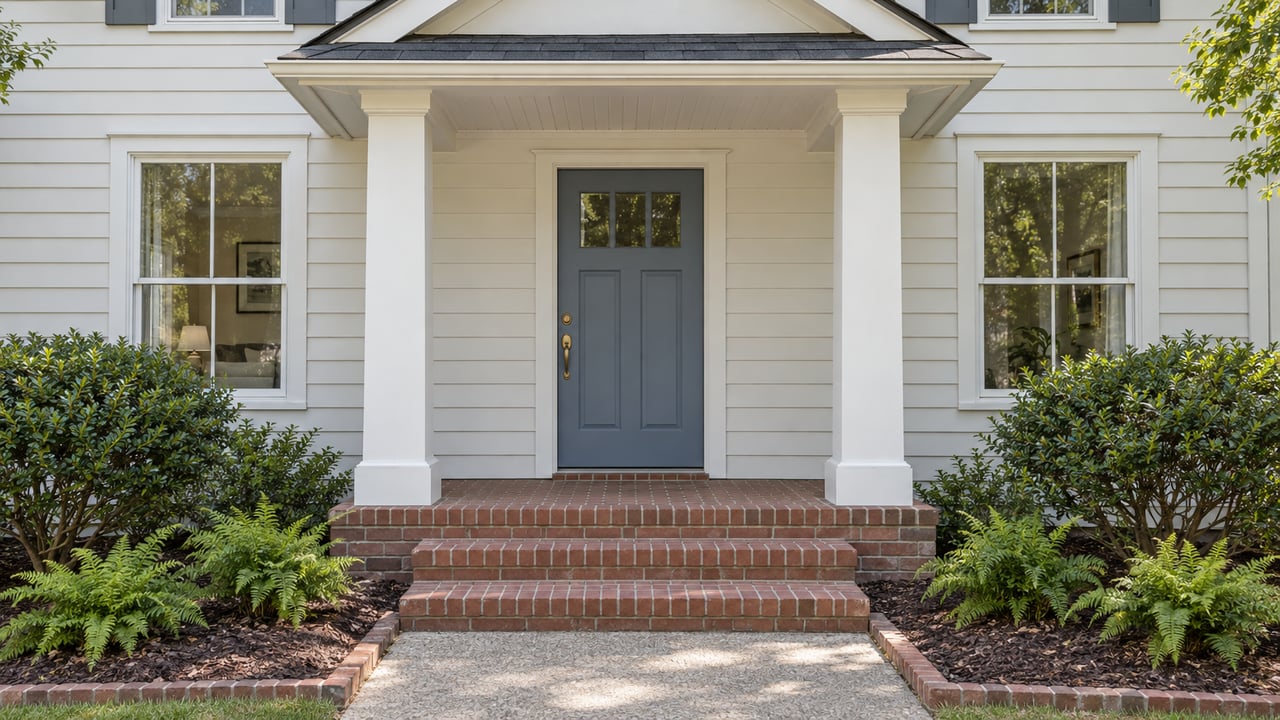
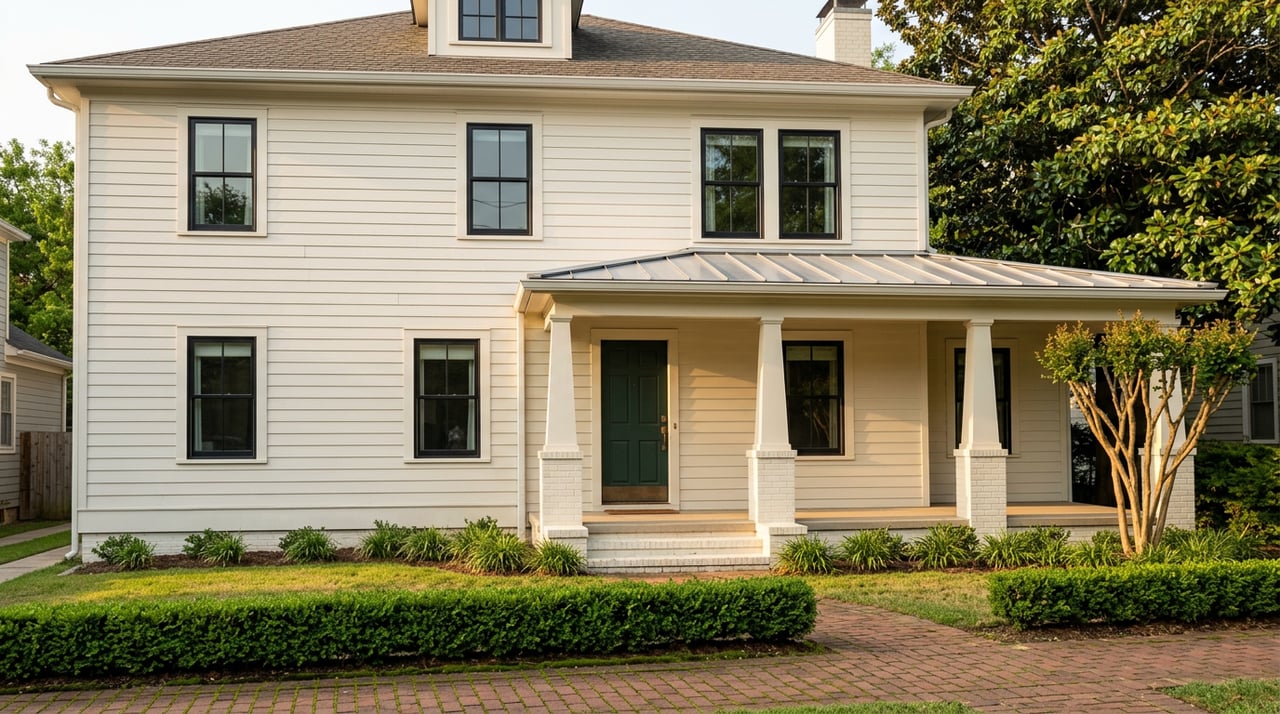
In and around these districts, you will see a wide mix of styles. Early 19th century Federal and Greek Revival homes appear near later Colonial Revival, Craftsman, and bungalow forms. The Glen Royall Mill Village reads differently from later suburbs, with small, pyramidal-roof worker houses and a tight knit street pattern that highlights the town’s industrial past. The overall feel is intimate, leafy, and pedestrian friendly.
Walkability and nearby amenities
Downtown Wake Forest is compact and walkable, with brick sidewalks, independent shops, and restaurants. Community programming brings people outside for seasonal events. A standout nearby amenity is E. Carroll Joyner Park, a 117-acre destination with trails and an amphitheater that hosts town gatherings. Explore the park’s features on the Town’s Joyner Park page. For a taste of local events, check the Town’s Six Sundays in Spring series.
Renovation rules and incentives
If you plan exterior changes in the Local Historic District, you will likely need a Certificate of Appropriateness through the Historic Preservation Commission. Some rehabilitations within National Register districts may qualify for state or federal historic tax credits if they meet the standards. Budget time for design review and confirm requirements early. Start with the Town’s Historic Districts resource.
Homes and pricing reality
Inventory near the core runs the spectrum: small cottages, renovated worker houses, modest bungalows, and a few larger historic homes tied to the old college area. Pricing is very condition sensitive. Well-restored homes on larger lots can command premiums, while unrenovated properties may trade lower. Expect a wider price band than in many suburban subdivisions, and confirm true comps by property type and condition.
New neighborhoods and master-planned living
What to expect across newer subdivisions
Newer Wake Forest communities tend to emphasize amenities and predictable living. You will commonly find pools, community centers, trails, playgrounds, and lakes, plus open-concept floor plans, larger garages, and newer mechanical systems. These neighborhoods are typically HOA managed. Dues support amenities and common areas, so review covenants and fee schedules to understand long-term costs. For a feel of typical packages, browse Holding Village’s community overview.
Case study: Holding Village
Holding Village is a Traditional Neighborhood Design master plan organized around a 15-acre lake, multiple parks, and trails. The overall plan spans about 257 acres with a planned buildout of roughly 1,350 residential units across townhomes, single-family homes, and multifamily. Offerings have targeted entry to move-up buyers with front porches and a neighborly streetscape. See master plan details from the developer at Reader Communities’ Holding Village page.
Established master plan: Heritage
Heritage is a large, established area with many subsections. You will find a broad mix of 3 to 5 plus bedroom homes, some custom and some production, with greenways, pools, and golf in the larger district. Neighborhood medians here often track in the upper half of town pricing, though exact figures shift by month. If you want size, amenities, and varied product in one footprint, Heritage is a consistent contender.
Golf-oriented nodes: Wakefield Plantation area
Parts of Wakefield Plantation sit in Raleigh and parts in the Wake Forest market area. The community includes golf-oriented product, larger lots, and estate-style homes. Larger custom properties here often maintain higher per-square-foot pricing within the market area, reflecting lot size, design quality, and amenity context.
Side-by-side: how buyers usually compare
Feel
- Historic core: compact, tree canopy, walkable streets, intimate public realm.
- New subdivisions: amenity driven, wider streets, modern porch and garage orientations.
Price band and product
- Historic core: smaller average footprints, significant variation by condition and renovation quality.
- New subdivisions: predictable specs, many single-family options in the 2,000 to 4,000 plus square foot range, with community amenities.
Commute
- Expect about 20 to 35 minutes to many Raleigh job centers depending on location and time of day. The townwide mean is 30.9 minutes per ACS QuickFacts. Test drive your route.
Schools
- Wake Forest is served by Wake County Public School System. Assignment can vary by street. Confirm with the WCPSS address lookup.
HOA and maintenance
- New master plans often include HOAs and higher dues that fund pools and shared spaces. Historic-core homes may have lower or no HOA but can carry higher variable maintenance for older systems. Build a renovation and systems contingency into your budget.
Renovation and permitting
- In the Local Historic District, exterior changes often require a Certificate of Appropriateness. Some National Register properties may be eligible for rehabilitation tax credits if work follows the standards. Start with the Town’s Historic Districts resource.
How to choose your best fit
Clarify your daily life priorities. If you want morning walks to coffee, a downtown dinner, and a porch that fits the neighborhood fabric, focus on the historic core and adjacent streets. If you want a pool, playgrounds, and a modern floor plan ready on day one, aim for master-planned areas.
Stress test your commute. Downtown Raleigh is about 18 miles away, but actual time varies. Drive your route at your typical hours for a real read.
Go deeper on costs. In new-build communities, confirm HOA dues and what amenities they cover. In historic areas, budget for exterior approvals, potential specialized contractors, and systems updates.
Confirm schools by address. Boundaries change. Use the WCPSS lookup and request the current assignment map from the listing agent or HOA.
Get current market context. Neighborhood medians move month to month. Ask for an MLS-based Comparative Market Analysis and recent neighborhood comps that match your target home size and condition.
When you are ready to compare properties side by side, we can curate options that fit your lifestyle, budget, and timing. If you are selling a historic or move-up home, we can also discuss Compass Concierge to help prep, stage, and present at a high level before launch.
Ready to find your Wake Forest fit or get a data-backed plan to list for top dollar? Connect with Courtney Whalen for a tailored consultation, off-market alerts, and a clear path forward.
FAQs
What areas make up Wake Forest’s “historic core”?
- The Town identifies multiple districts, including the Wake Forest Historic District, Downtown Wake Forest Historic District, Glen Royall Mill Village, and a Local Historic District centered on North Main Street. See the Town’s Historic Districts page for maps and details.
How do renovation rules work in the Local Historic District?
- Exterior changes often require a Certificate of Appropriateness through the Historic Preservation Commission. Start early, confirm scope, and review standards on the Town’s Historic Districts resource.
What should I know about HOAs in new subdivisions around Wake Forest?
- Many master-planned areas have mandatory HOAs with dues that fund amenities like pools, trails, and playgrounds. Review covenants, fees, and any planned amenities that may be added later.
How long is the commute to Raleigh from Wake Forest?
- Downtown Raleigh is roughly 18 miles away. Drive time varies by route and rush hour. Townwide mean travel time to work is 30.9 minutes based on ACS QuickFacts.
How do I confirm school assignments for a specific Wake Forest address?
- Use the Wake County Public School System’s address lookup. Do not rely on a neighborhood name alone because boundary lines can change.